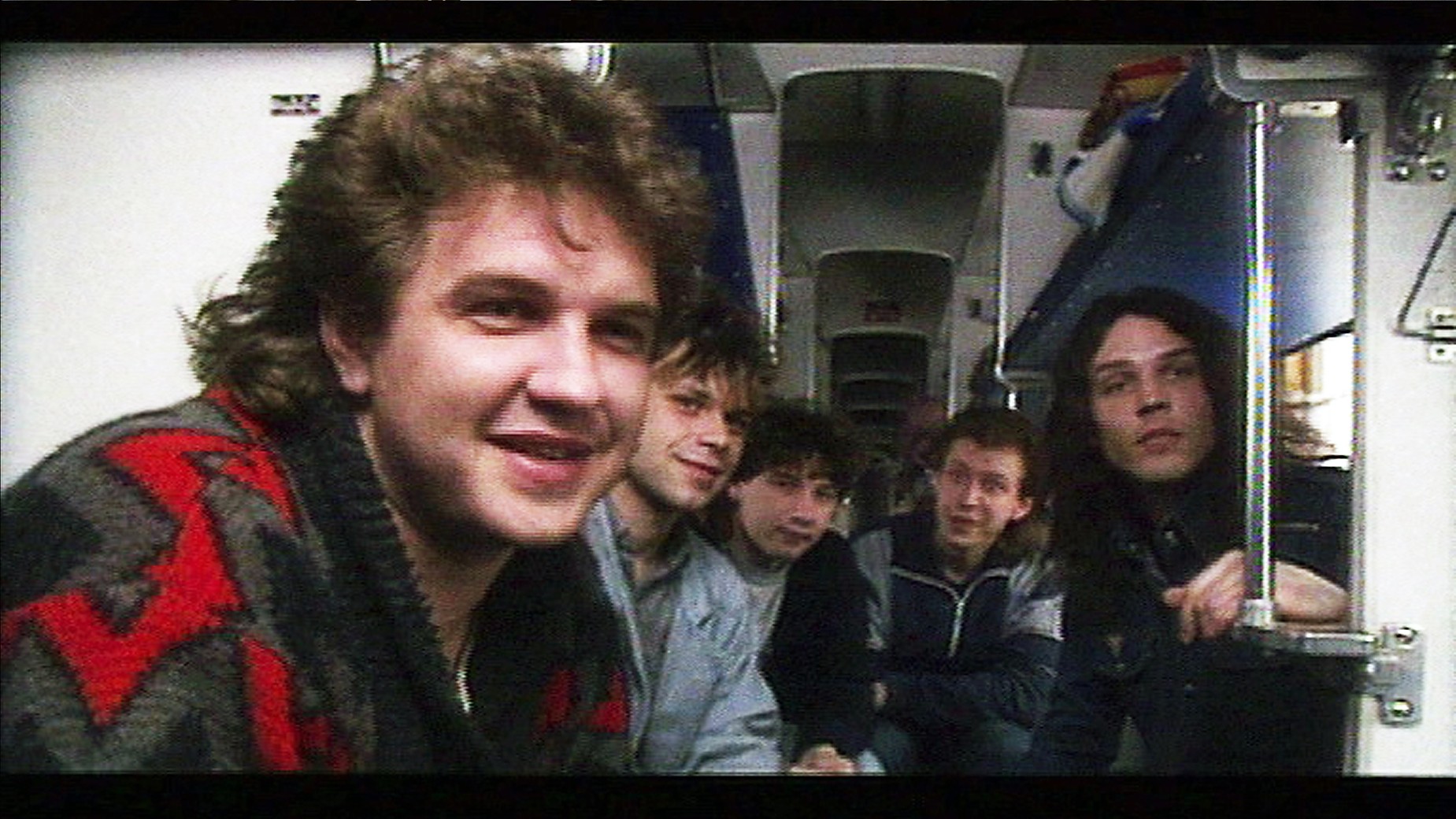
Nord Express 

direct­ed by Rob Rom­bout  52′  1990  Paris… Rus­sia

« Nord Express, c’est toute la magie du rail qui est amoureuse­ment resti­tuée, mais c’est aus­si et surtout une plongée unique dans l’u­nivers quo­ti­di­en de l’Est, à la fois loin­tain et proche. »

Renée Begon, 1990
SUMMARY

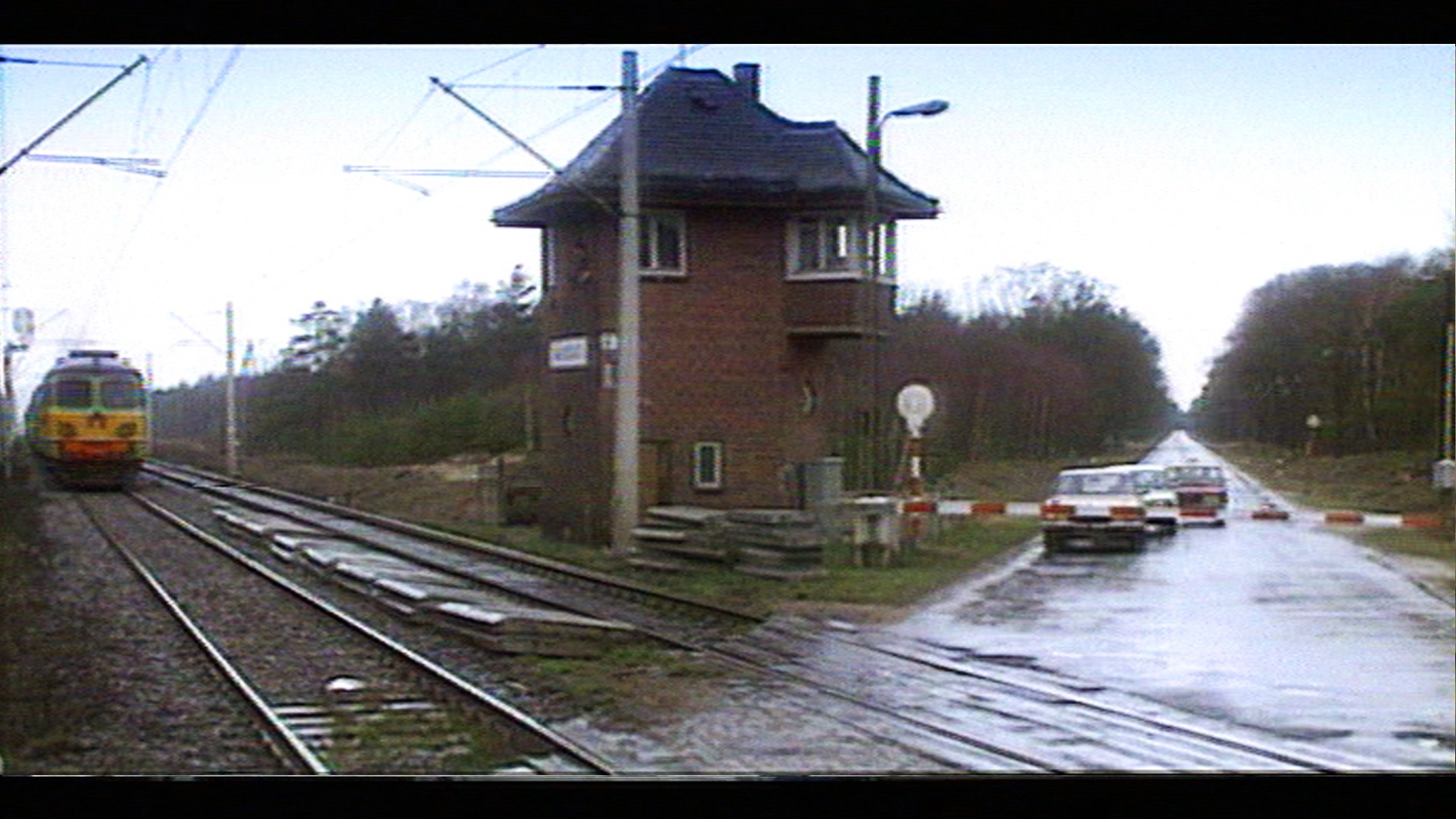
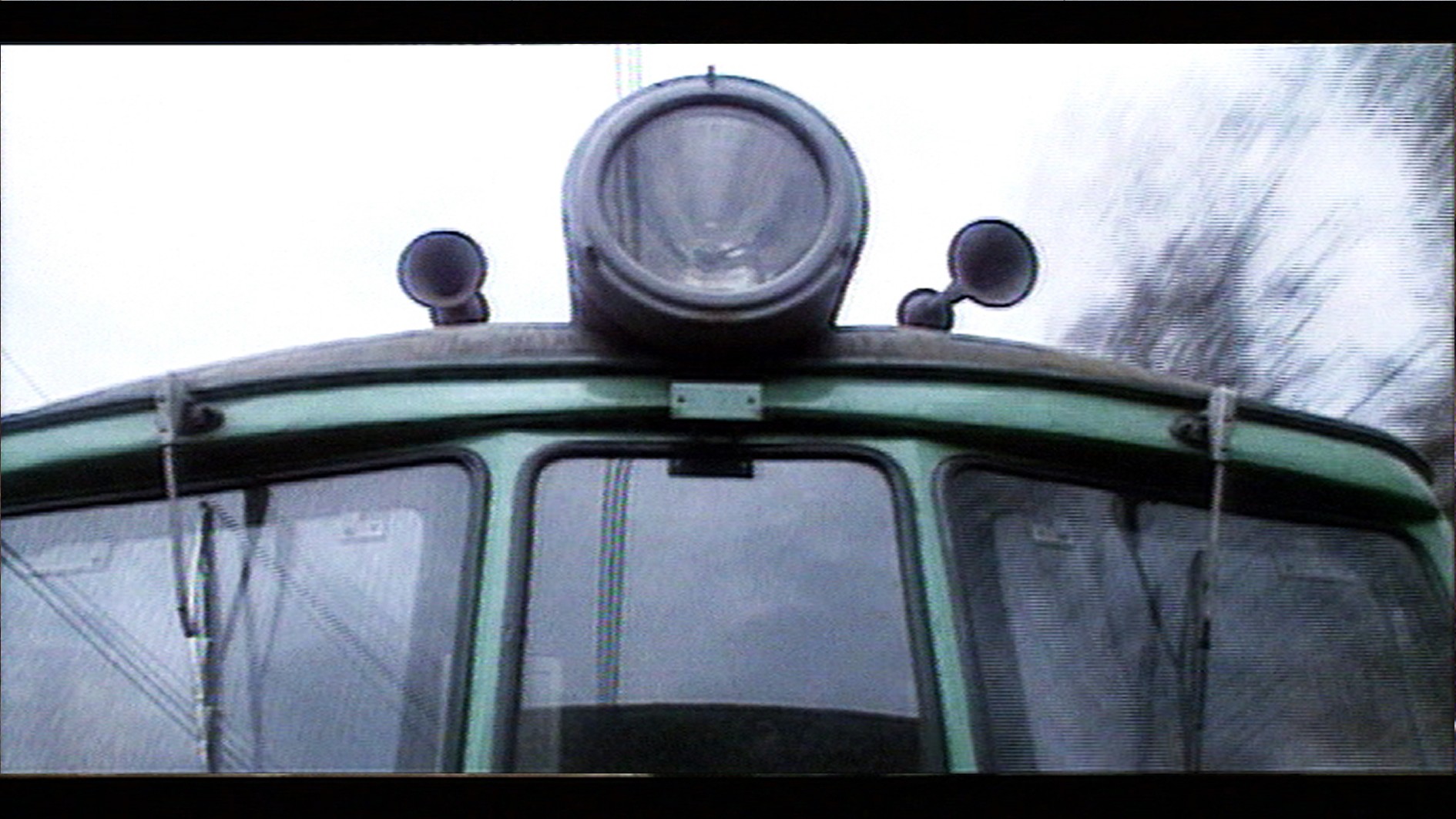
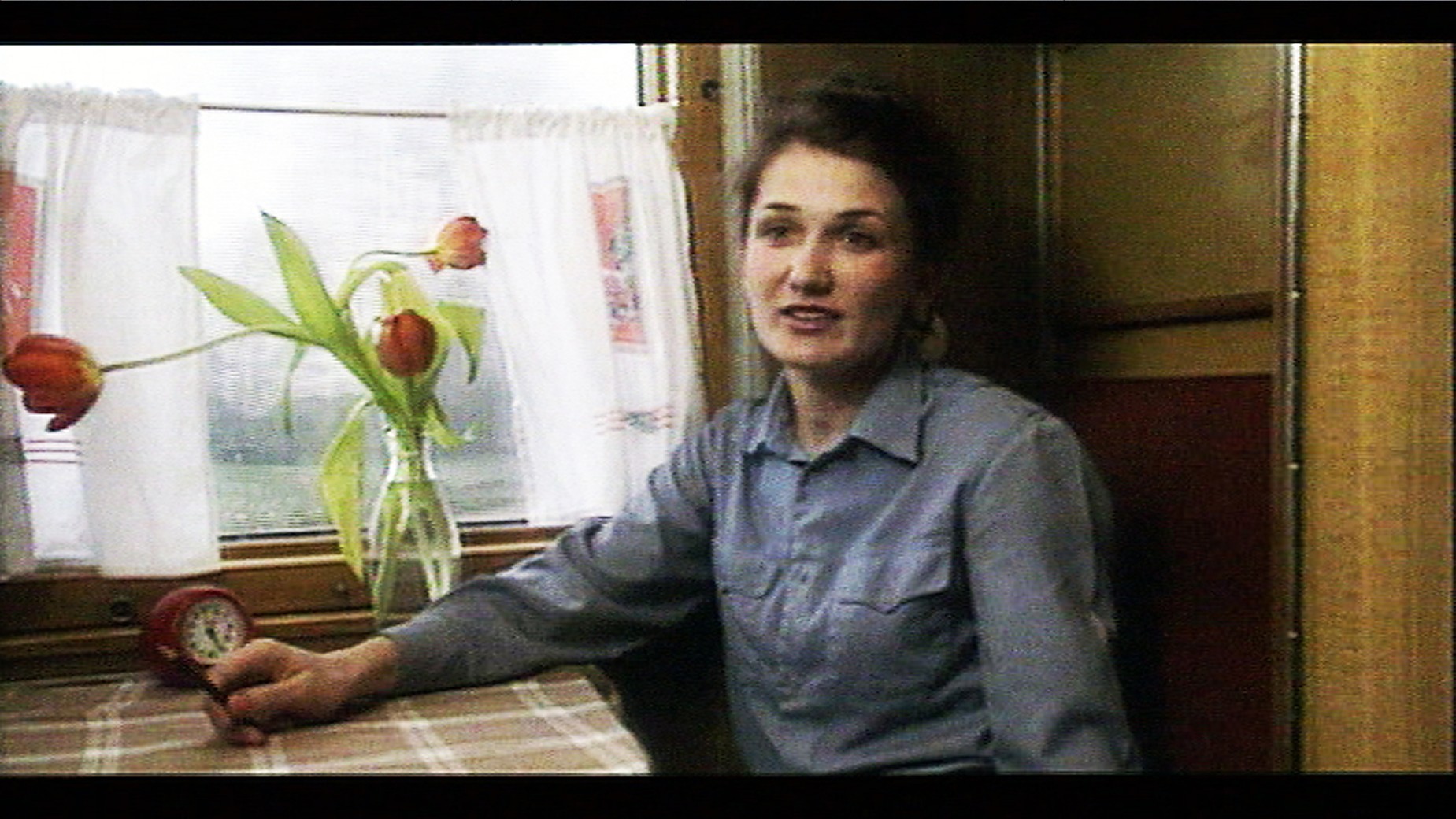
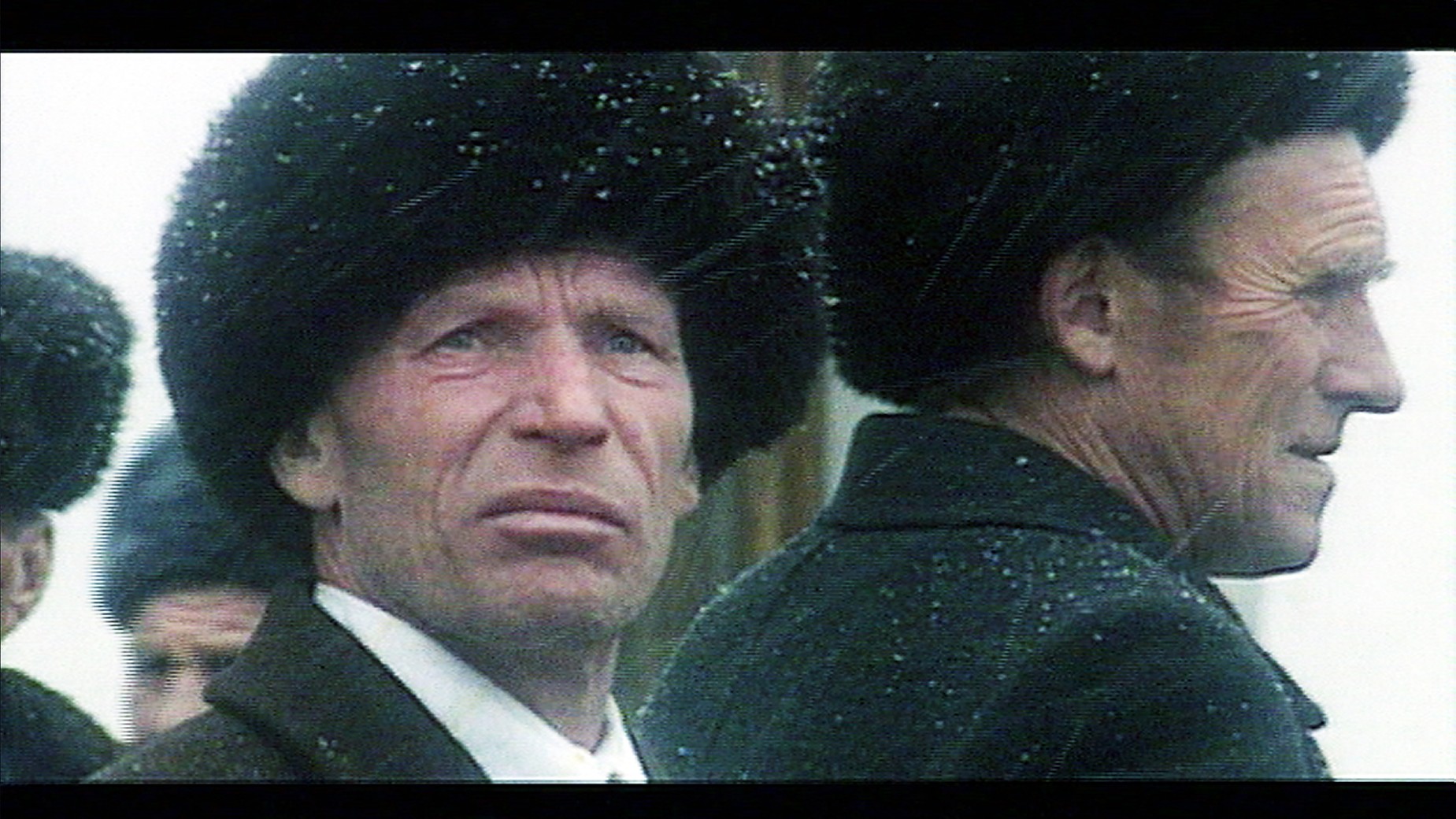
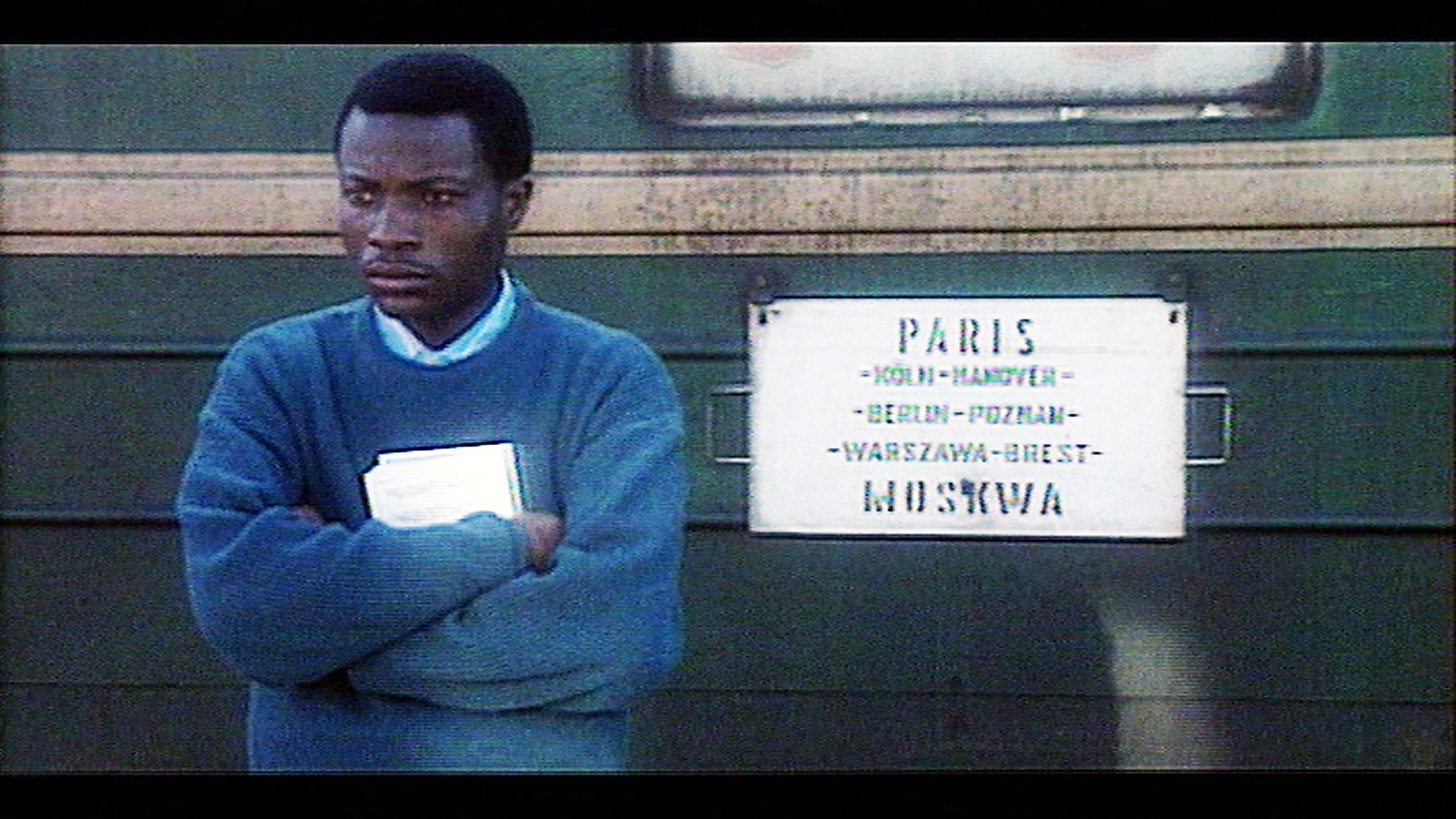
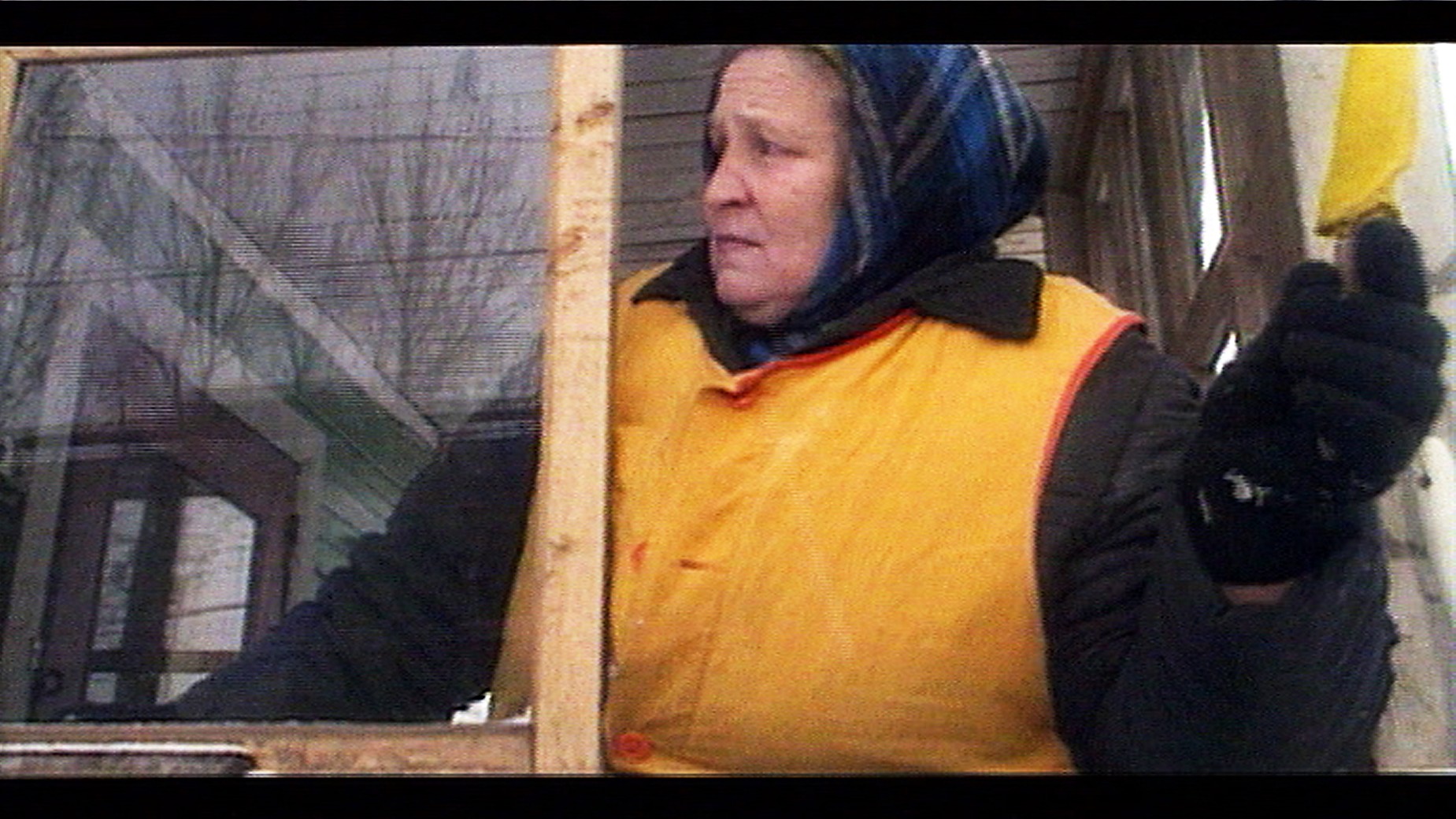
1896, Paris Nord. Nagel­mack­ers cre­ates the “Nord Express” between Paris and St Peters­burg. In Paris, rail­way­men are lay­ing the new TGV lines; in Berlin, the wall is crum­bling ; at Brest (USSR) the team is replac­ing the stan­dard gauge bogies with wide gauge bogies. Gali­na, the Sovi­et sleep­ing­car atten­dant, is mak­ing tea. In the cor­ri­dor, Theodore the stu­dent is look­ing out of the win­dow, just above the cur­tain. A blast on the train’s whistle.

RÉSUMÉ

1896, Nagel­mak­ers crée le Nord Express qui relie Paris à Saint-Peters­bourg. 
La tra­ver­sée du con­ti­nent en 48 heures est un nou­veau défi à la com­mu­ni­ca­tion entre Européens. Un défi sans cesse relevé, mal­gré l’explosion de deux guer­res mon­di­ales, les traits au cray­on bleu sur les cartes mil­i­taires, un Mur qui divise une ville…

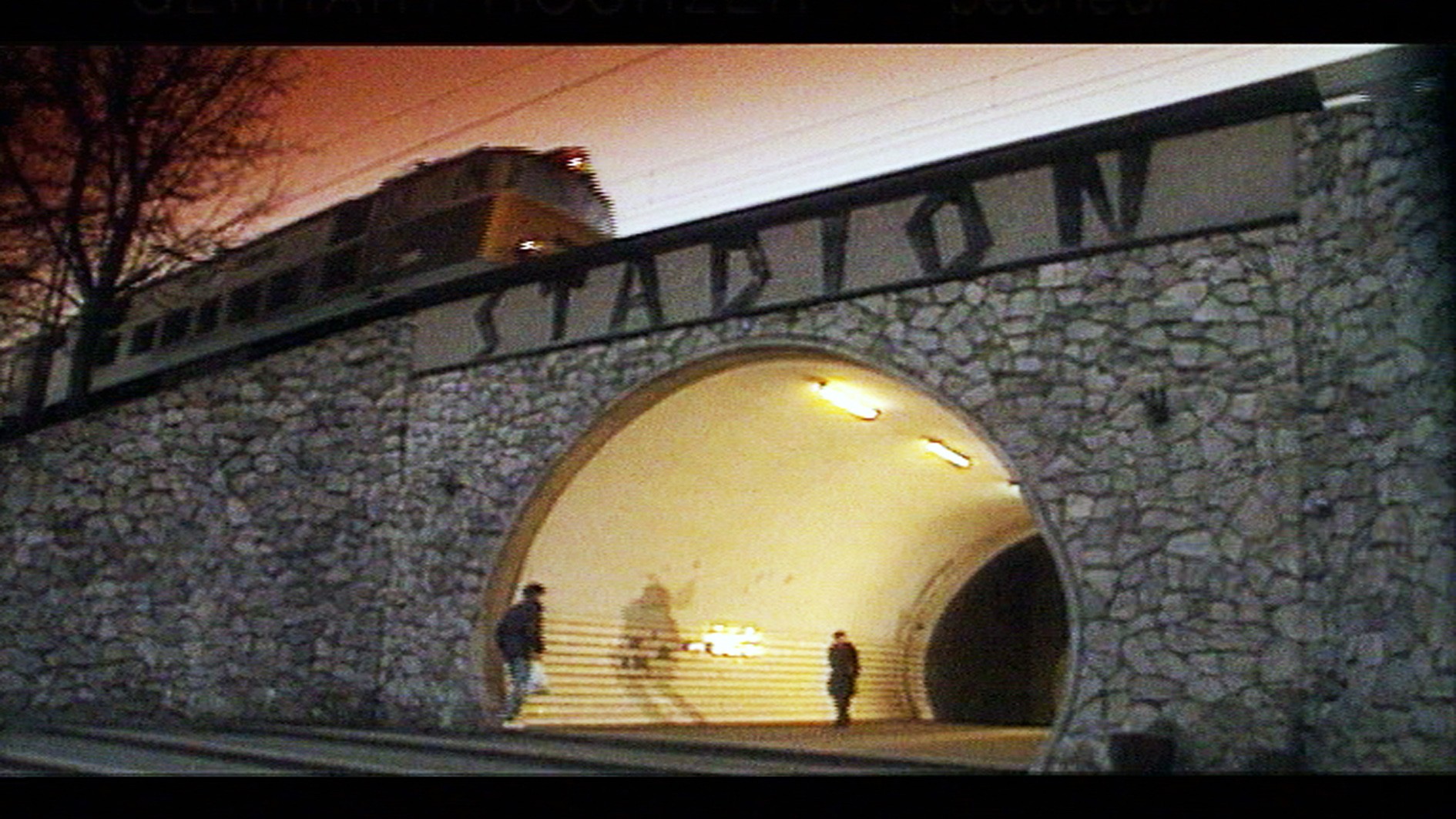
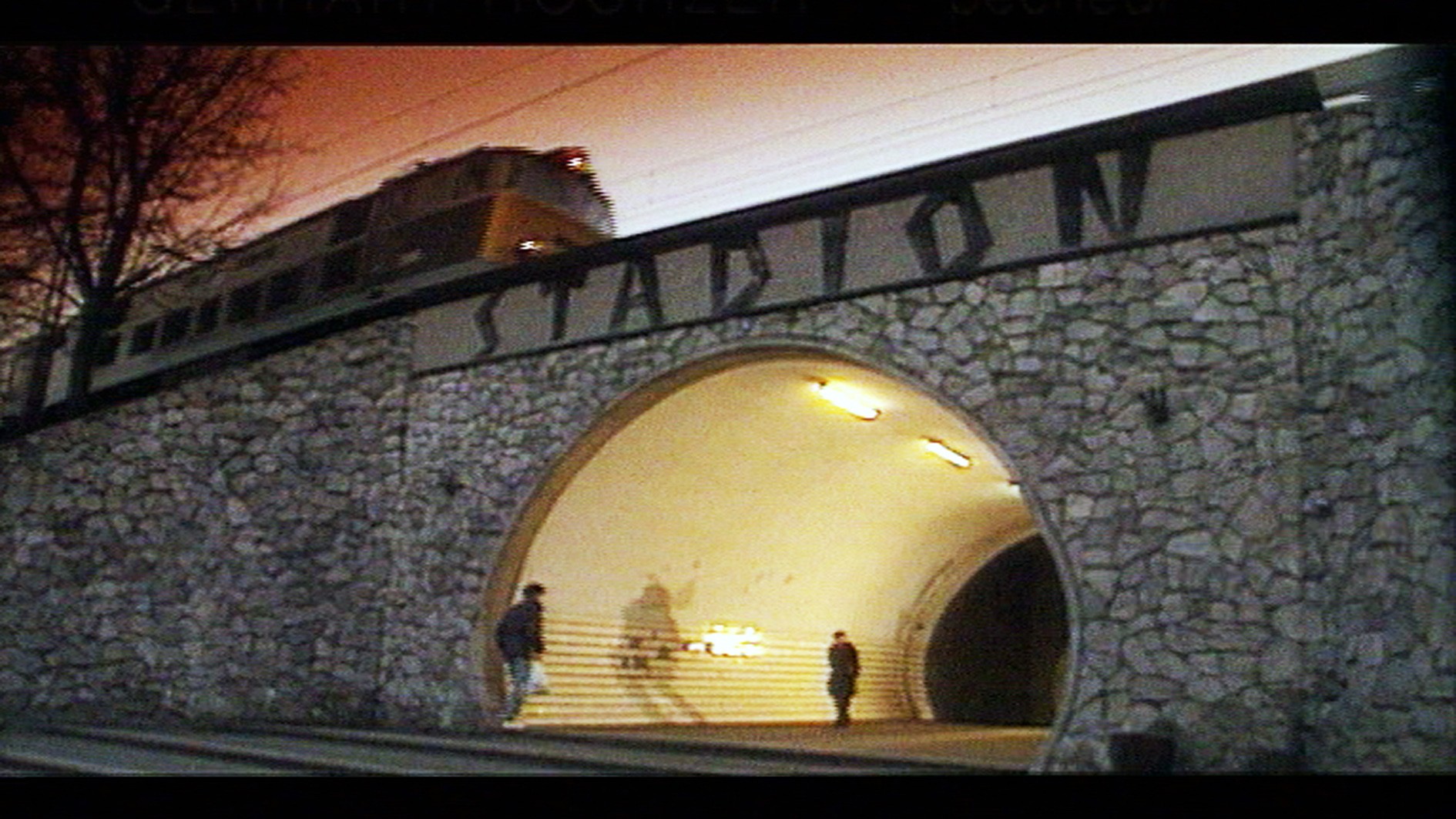
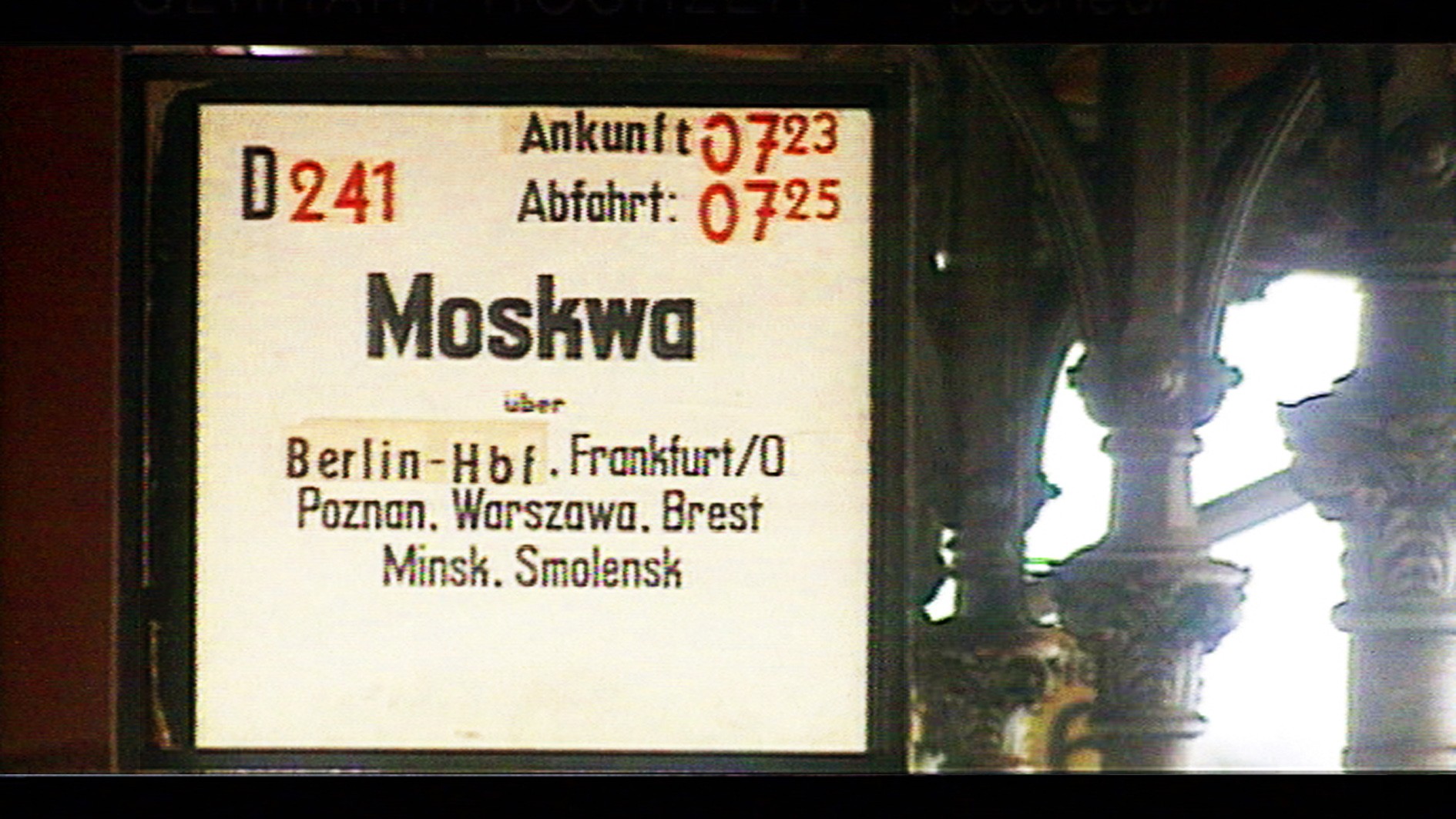
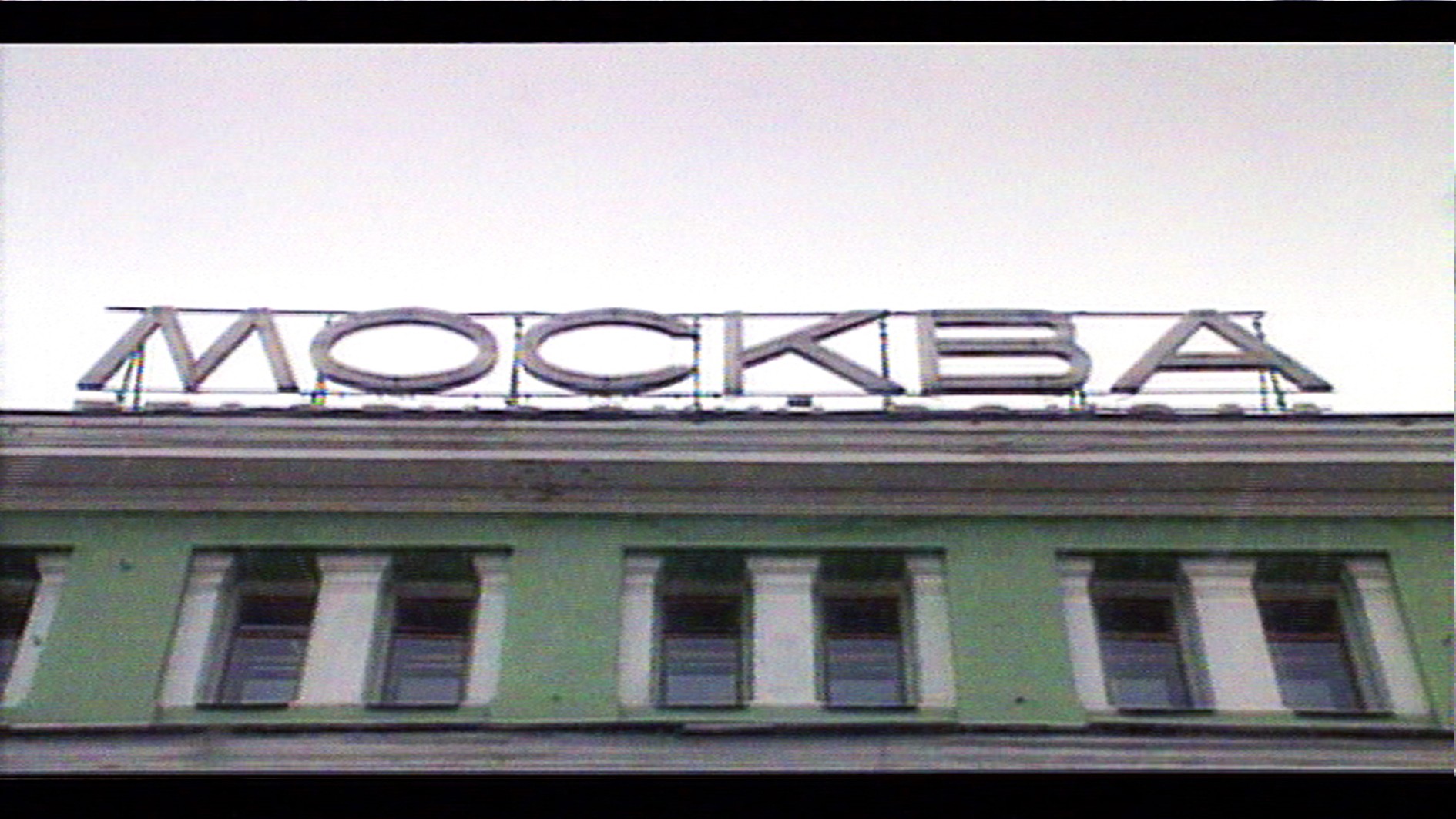
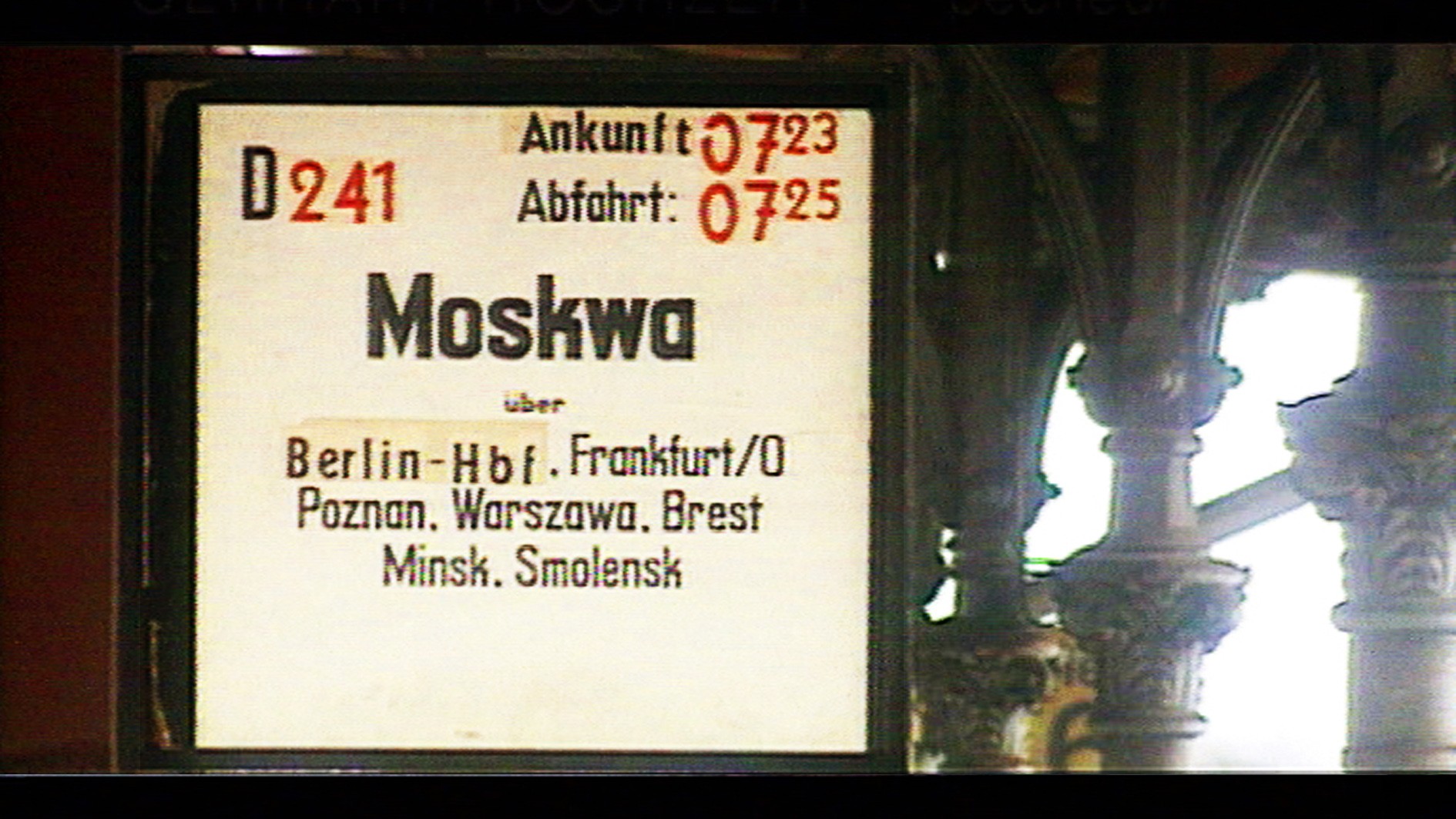
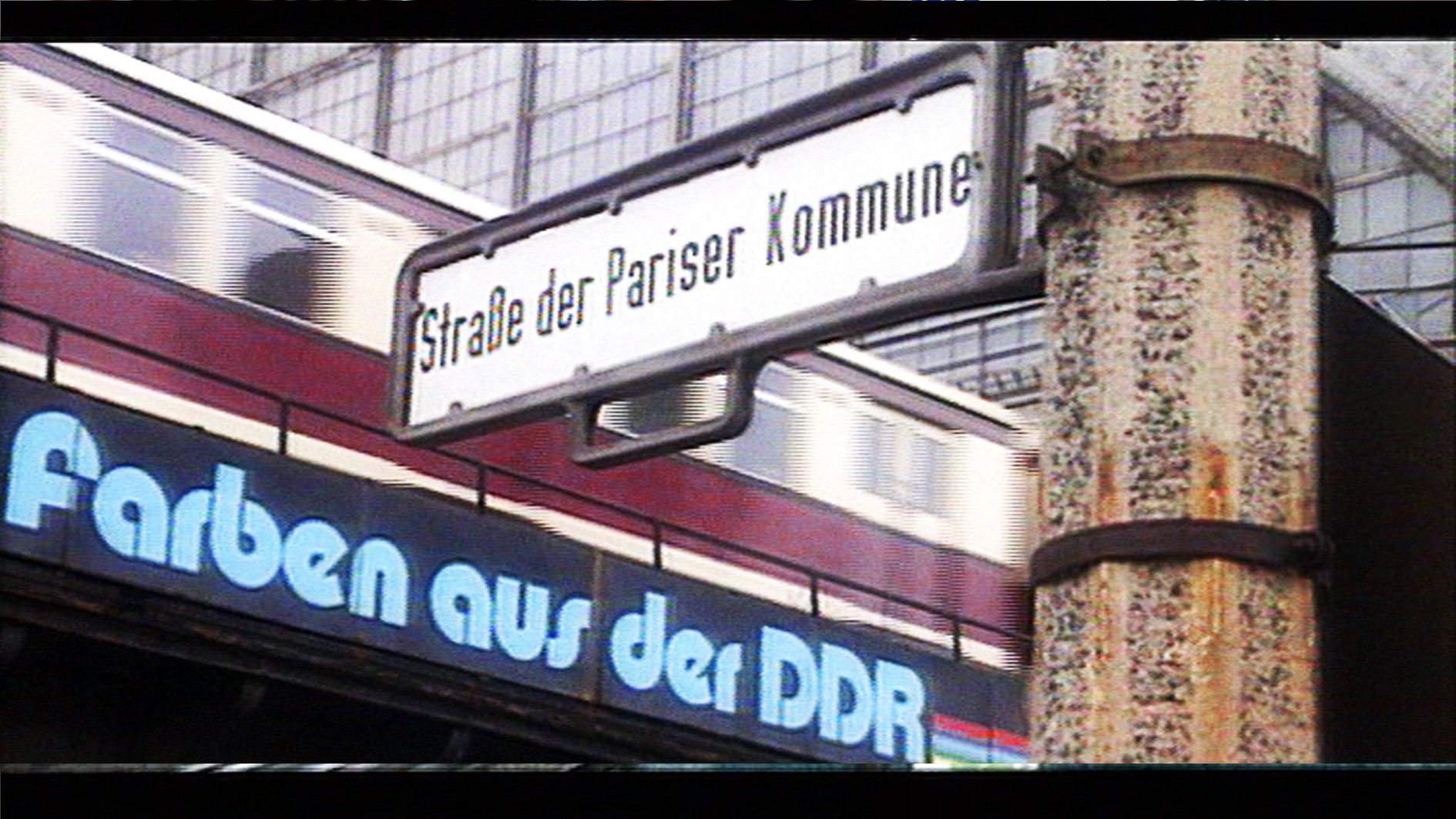
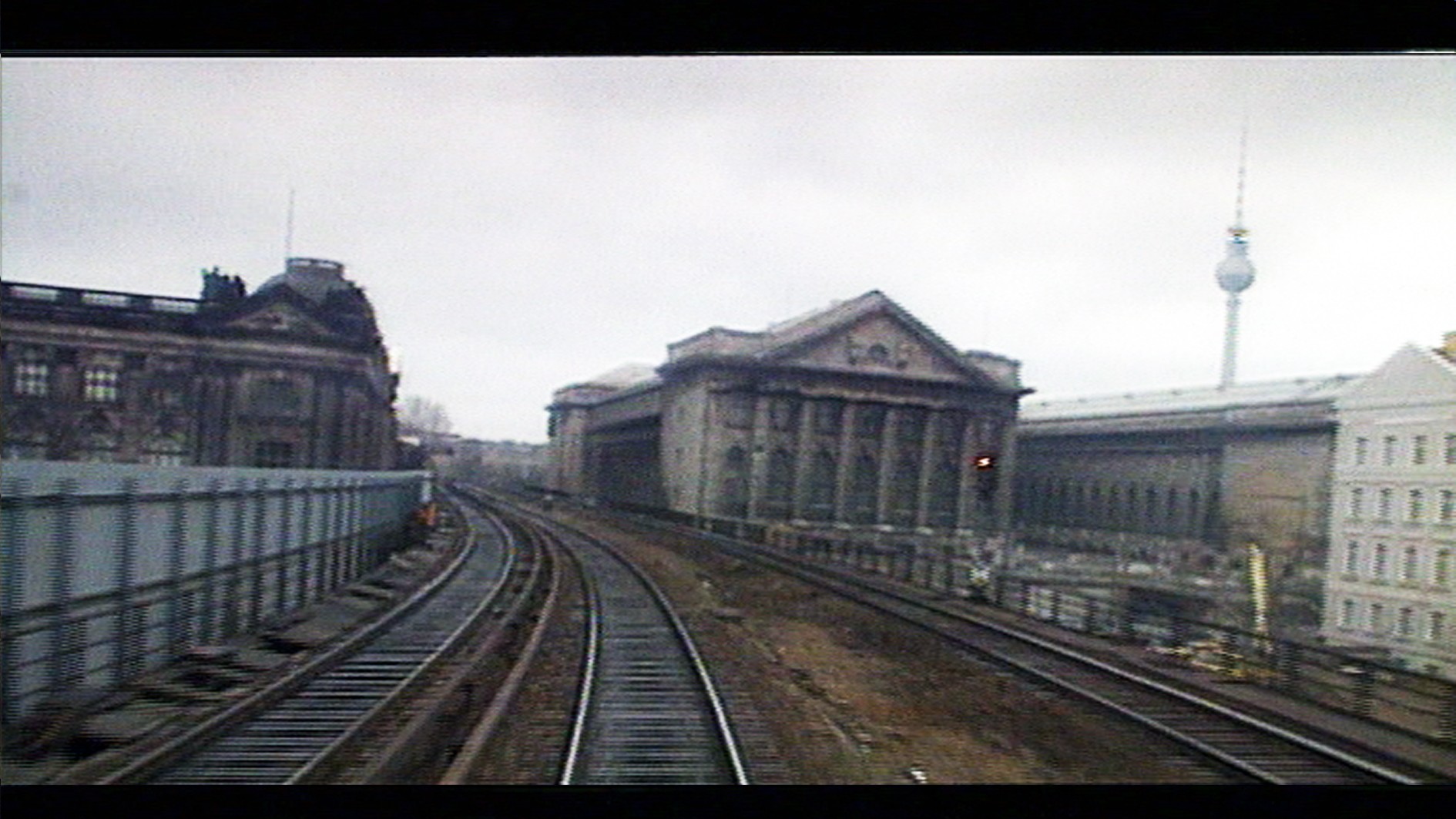
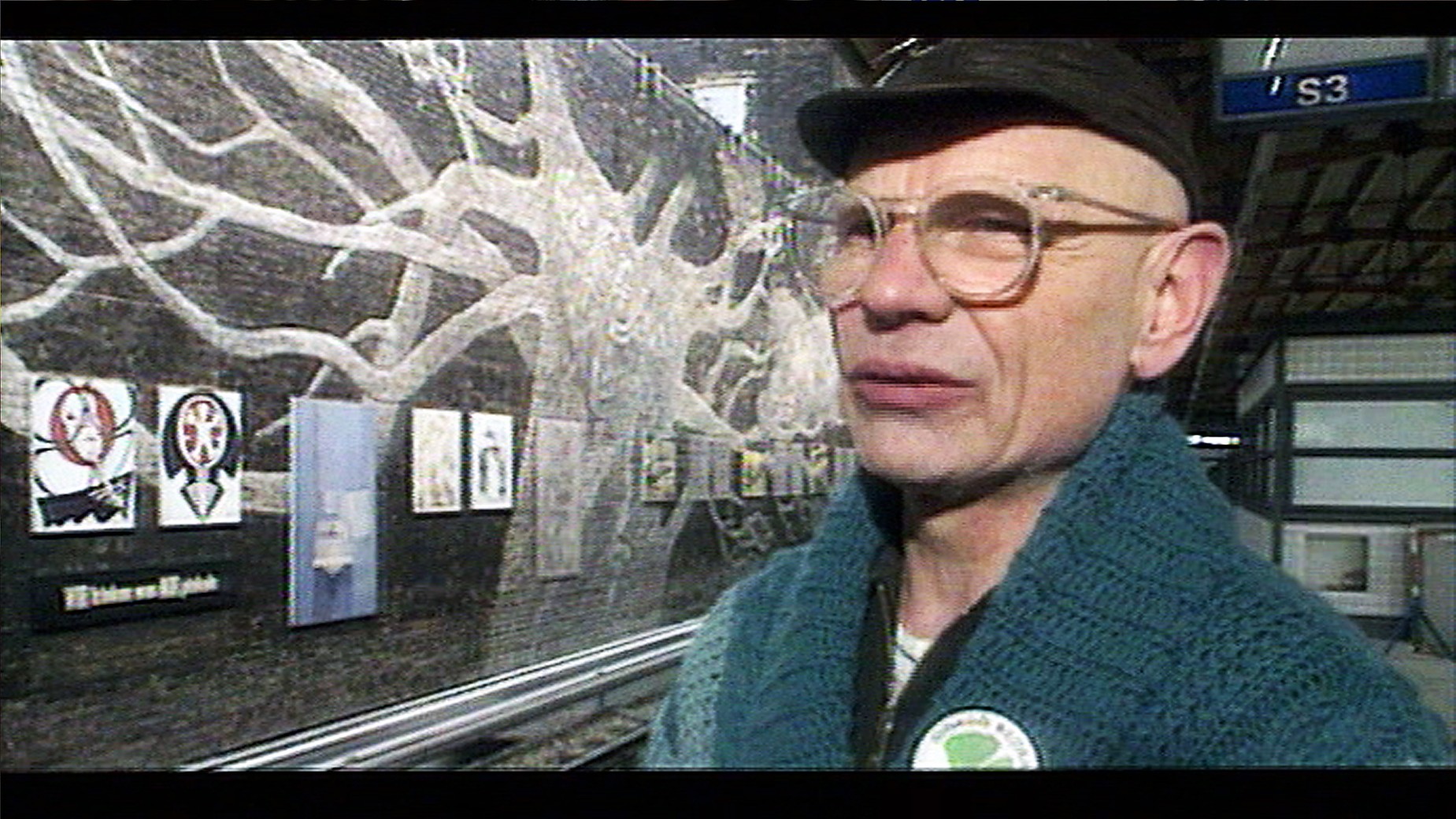
1990, « Nord Express », le film, recom­pose les 47 heures de voy­age entre Paris et Moscou. L’époque – la nôtre – est en pleine muta­tion, rem­plie du bruit des machines. A Paris, les cheminots posent les nou­velles voies du TGV ; à Berlin, le mur s’écroule ; à Brest (URSS), l’équipe change les bogies à voie nor­male con­tre des bogies à voie large. Gali­na, la con­voyeuse du wag­on-lit sovié­tique, pré­pare le thé. Dans le couloir, Théodore, l’étudiant, regarde par la fenêtre, juste au-dessous du rideau. Coup d’avertisseur. Les voitures défi­lent à toute vitesse devant l’atelier du pein­tre Ben War­gin. « Pour moi, nous ne parvien­drons pas à être plus rapi­des », dit Ben.
RESUMO

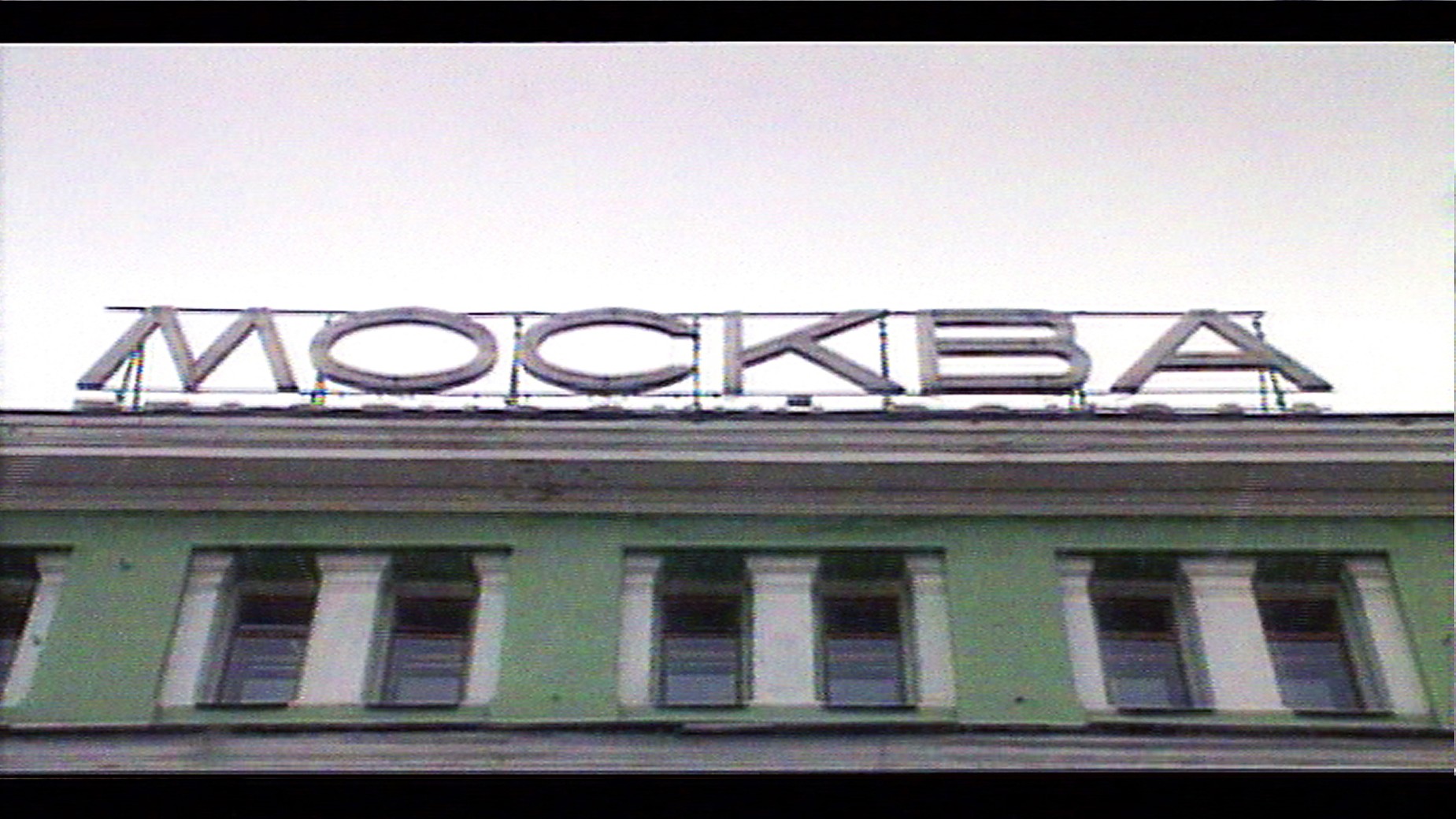
1896, Paris Norte. Nagel­mack­ers cria o “Nord Express” entre Paris e St. Peters­bur­go. Em Paris, pes­soaI fer­roviário colo­ca as novas lin­has do TGV ; em Berlim, o muro está a desmoronar-se; em Brest (USSR), a equipa de fer­roviários esta a sub­sti­tuir os bogies de bito­la stan­dard por bogies de bito­la larga. Gali­na, a assis­tente soviéti­ca da car­ru­agem-cama, está a faz­er chá. No corre­dor, o estu­dante Theodore está a olhar pela janela, espre­i­tan­do por cima da corti­na. Ouve-se o api­to do comboio.

« Le train Nord Express est presque aus­si lent qu’au début du siè­cle. Et ça, c’est plutôt un progrès. » 
Slide Con­tent

« Le fait que le Nord Express mette presque autant de temps qu’il y a un siè­cle est une évo­lu­tion pos­i­tive. Tout ce qui accélère est un désavantage. »

Ben War­gin, 1990

TEXTE CRITIQUE

NORD EXPRESS, Doc­u­men­tary Fes­ti­val Eind­hoven 2018

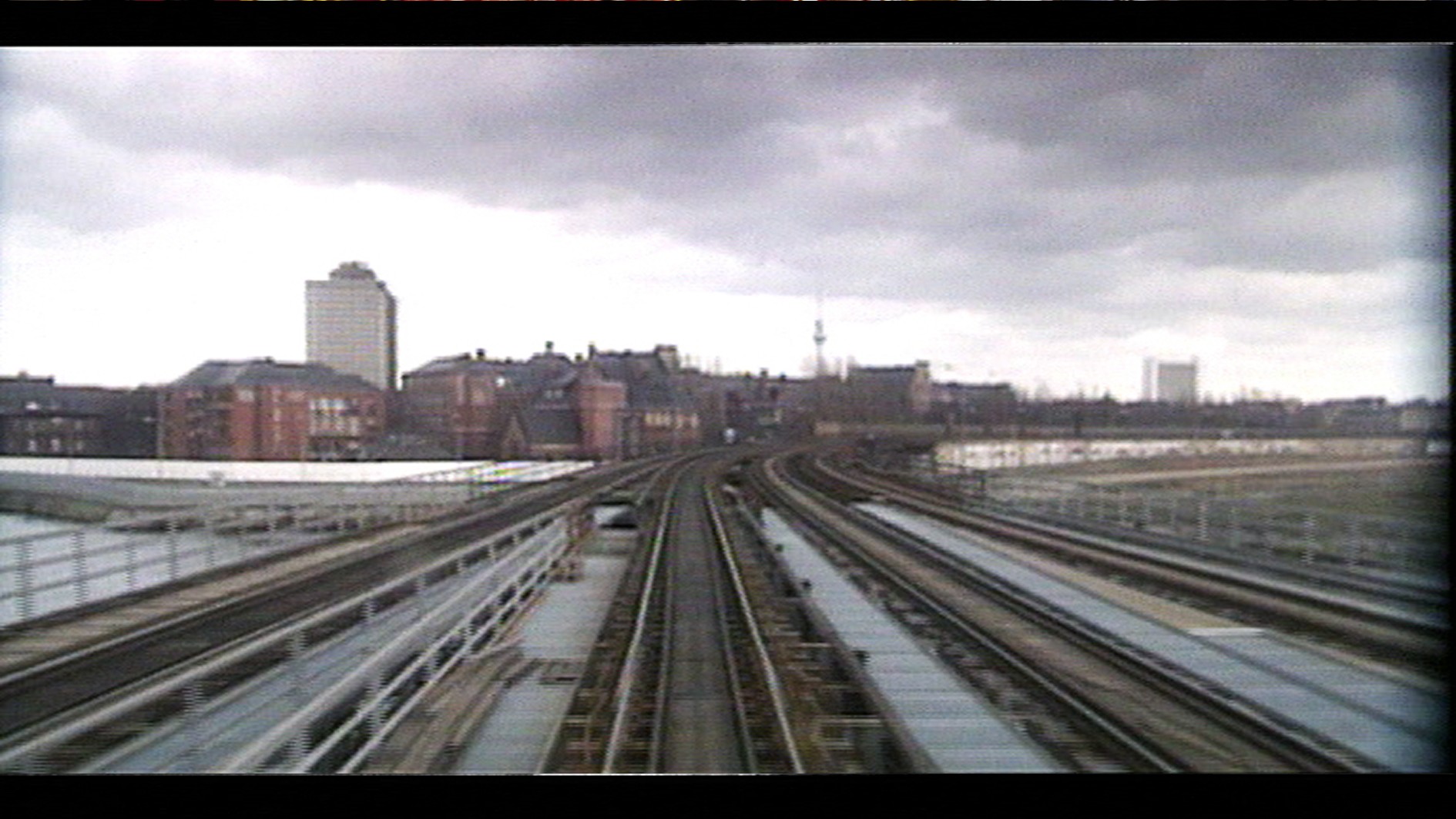
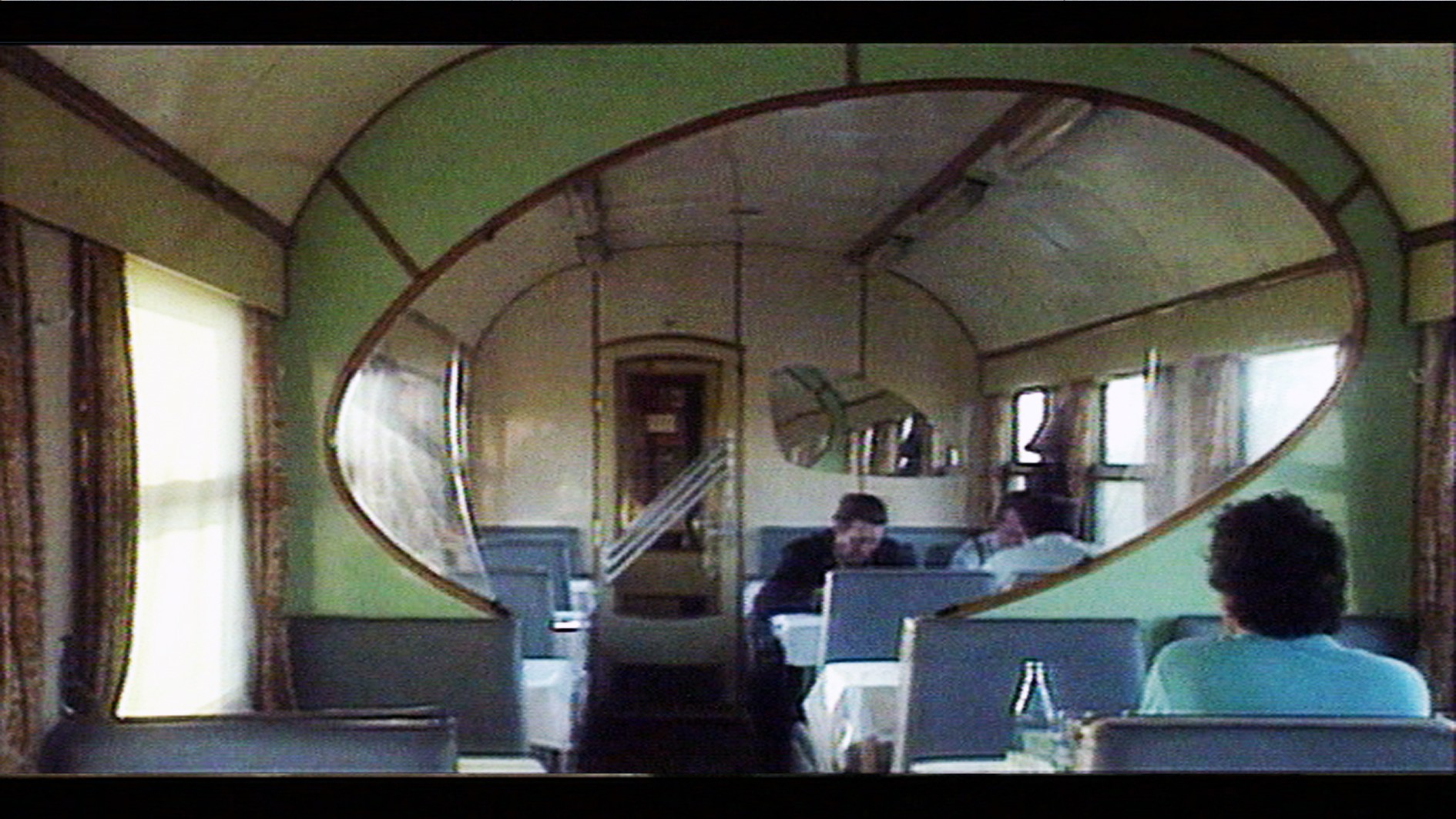
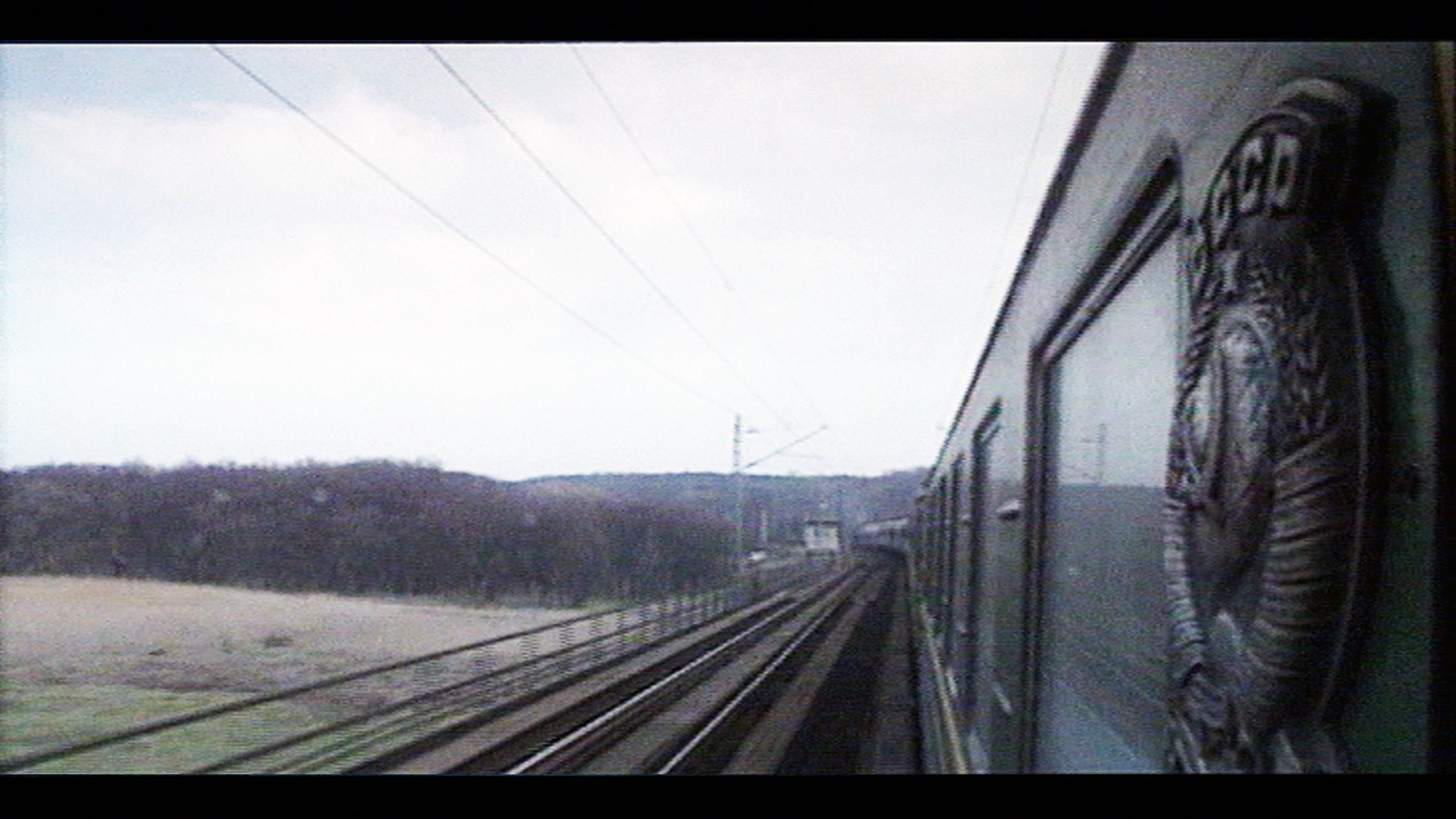
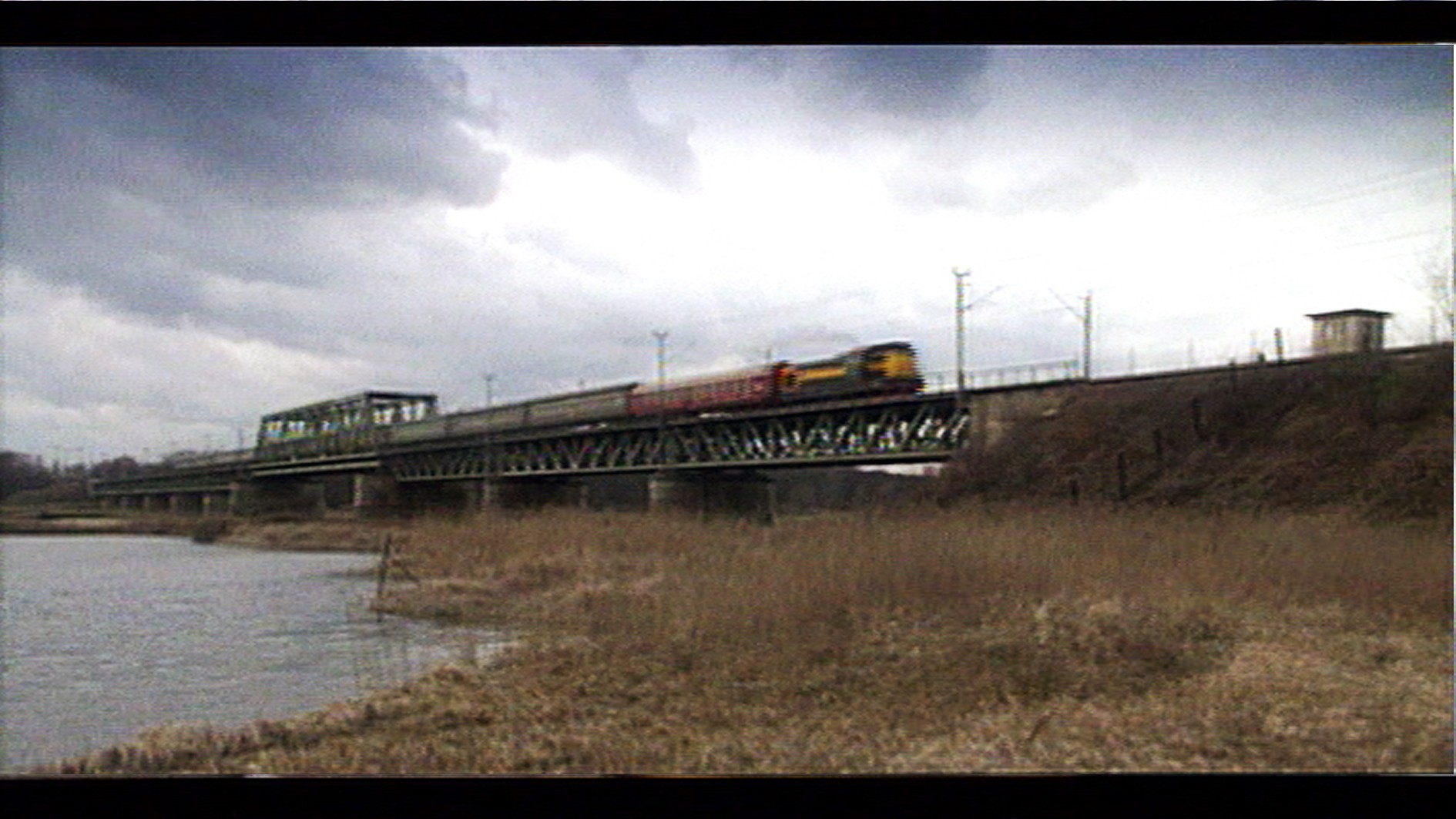
The film “Nord Express” recre­ates the 48 hours jour­ney by train from Paris to Moscow, and the pas­sen­gers on these tracks. Cross­ing the con­ti­nent in 48 hours is a new chal­lenge for inter-Euro­pean com­mu­ni­ca­tions. A chal­lenge con­tin­u­ous­ly met, despite two world wars, blue pen­cil marks on mil­i­tary maps, a wall divid­ing a city in two. The time – our own – is one of great upheaval, filled with the noise of machin­ery. In Paris, rail­way­men are lay­ing the new TGV lines; in Berlin, the wall is crum­bling; at Brest (USSR) the team is replac­ing the stan­dard gauge bogies with wide gauge bogies. Gali­na, the Sovi­et sleep­ing­car atten­dant, is mak­ing tea. In the cor­ri­dor, Theodore the stu­dent is look­ing out of the win­dow, just above the cur­tain. In front of painter Ben Wargin’s work­shop, in West Berlin, the wag­ons rush past at top speed. In a vari­ety of ways, the film view­er is like a trav­eller : his trip is one that has a start and an end­point, where in between the route is planned by the sto­ry that is showed. Some­times the sto­ry doesn’t seem to be going fast enough : it slight­ly slows down in its jour­ney. At oth­er times the devel­op­ments fol­low each oth­er at a rapid pace and the jour­ney pro­gress­es well. There is always a degree of aware­ness of its final des­ti­na­tion, but both this and the route towards the end is uncer­tain : the film is high­ly unpre­dictable, and its appeal large­ly derives from this uncer­tain­ty about the course of events. (Doc­u­men­tary Fes­ti­val Eind­hoven 2018)

Read more

NORD EXPRESS

1896, Paris Nord. Nagel­mack­ers cre­ates the “Nord Express” between Paris and St-Peters­burg. Cross­ing the con­ti­nent in 48 hours is a new chal­lenge for inter-Euro­pean com­mu­ni­ca­tions. A chal­lenge con­tin­u­ous­ly met, despite two world wars, blue pen­cil marks on mil­i­tary maps, a wall divid­ing a city in two…
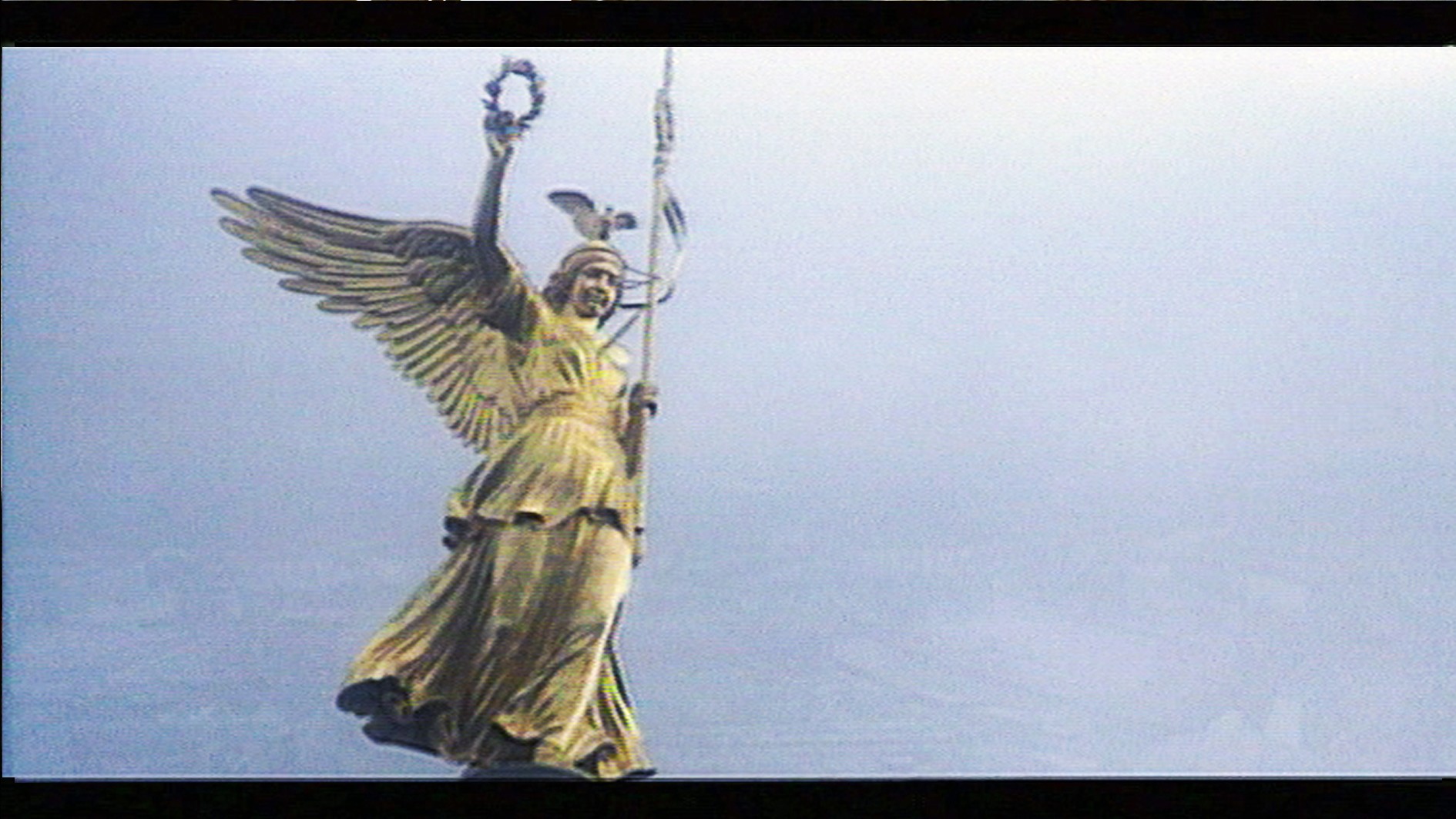
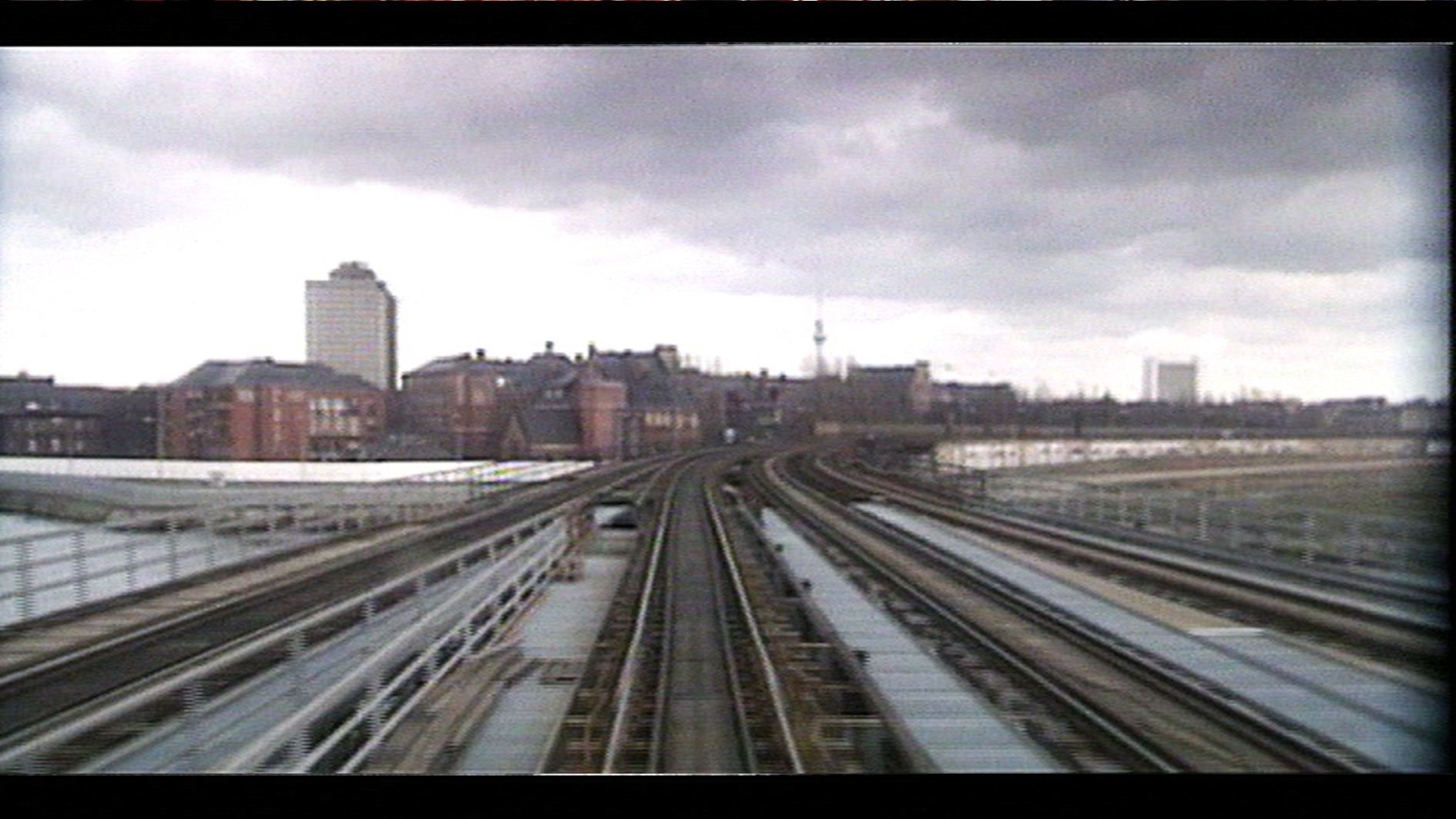
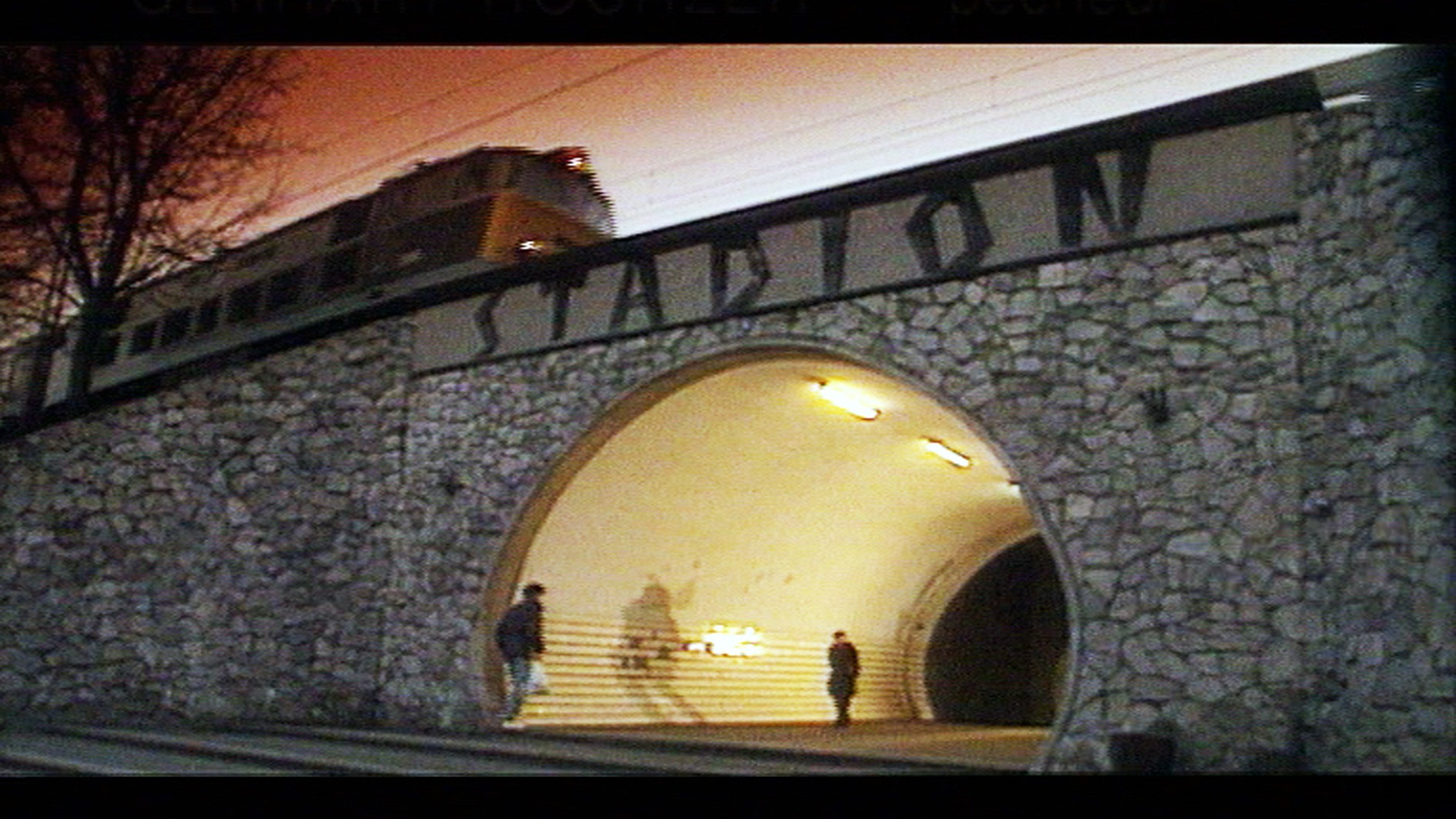
1990, the film “Nord Express” recre­ates the 47 hours jour­ney from Paris to Moscow. The time — our own — is one of great upheaval, filled with the noise of machin­ery. In Paris, rail­way­men are lay­ing the new TGV lines ; in Berlin, the wall is crum­bling; at Brest (USSR) the team is replac­ing the stan­dard gauge bogies with wide gauge bogies. Gali­na, the Sovi­et sleep­ing­car atten­dant, is mak­ing tea. In the cor­ri­dor, Theodore the stu­dent is look­ing out of the win­dow, just above the cur­tain. A blast on the train’s whis­tle. In front of painter Ben WARGIN’s work­shop, in West Berlin, the wag­ons rush past at top speed. “Per­son­al­ly, I don’t think we’ll ever man­age to go any faster”, says Ben.

Read more

CRITICAL TEXT

A jour­ney with­out derailments

by Ernie Tee, 1991

« On retrou­ve dans ce film l’am­biance par­ti­c­ulière des livres de Stend­hal ou de Goethe, qui ont su exprimer les plaisirs et les richess­es du voy­age. Beauté des paysages nou­veaux mais aus­si beauté des rencontres. »

Marie-Chris­tine Pasche, 1990

« Le film de Rob Rom­bout est une réus­site. Il donne envie de par­tir. Non pas pour un tour du monde en quar­ante jour, d’un aéro­port à l’autre. Mais pour un véri­ta­ble voyage. »

Marie-Chris­tine Pasche, 1990

« Pour Rob Rob­mout, filmer le Nord-express, c’est une porte ouverte sur le rêve : rêve de franchir les dis­tances sans notion de temps, rêve de filmer l’histoire au présent. »

Éric de Moffaerts

« Un somptueux doc­u­men­taire sur l’his­toire et le présent du Paris-Moscou. »

Renée Begon, 1990
CREDIT

Direc­tor Rob Rom­bout  |  Assi­tant Direc­tor Adri­ana Mor­eira De Oliveira  |  Script Rob Rom­bout, and Chris­t­ian Janssens  Direc­tor of pho­tog­ra­phy André Lep­lat  Assis­tant Direc­tor of pho­tog­ra­phy Louis-Philippe Capelle  Assis­tant cam­era Marc Rid­ley  Edit­ing Adri­ana Mor­eira De Oliveira  Sound Olivi­er Struye, and Paul hey­mans   |  Sound mix­ing Paul Delvoie  Pro­duc­er GSARA, DISC  |  Co-pro­duc­ers RTBF, and Wal­lonie Image Pro­duc­tion (WIP)

TECHNICAL SPECIFICATIONS

Orig­i­nal title Nord Express Orig­i­nal lan­guage French  |  Avail­able version(s) Orig­i­nal French ver­sion  |  Orig­i­nal for­mat video  |  For­mat 16/9  |  Col­or

FIRST FESTIVAL

World Wide Video Fes­ti­val, The Hague (Nether­lands), 1986  |   World Wide Video Fes­ti­val, The Hague (Nether­lands), 1986  |  World­wide Video Fes­ti­val of Kijkhuis, The Hague (Nether­lands), 1990 Vidéo du réel, Saint-Ger­vais (France), 1990  | Vide­ofest 91, Berlin (Ger­many), 1990 Mont­be­liard inter­na­tion­al video and tele­vi­sion event (France), 1990

« Pen­dant quar­ante ans, le Nord Express a rap­pelé aux Européens qu’ils vivaient sur le même continent. »

Marie-Chris­tine Pasche, 1990

Pilote de Nord Express

réal­isé par Rob Rom­bout, 16’, 1989, français

Lire la vidéo

« À voir le film de Rob Rom­bout, on se met à regret­ter l’époque où voy­ager sig­nifi­ait pren­dre le temps de la décou­verte. L’avion est certes bien pra­tique mais ne rem­plac­era jamais le glisse­ment pro­gres­sif vers l’in­con­nu, plaisir déli­cieux procuré par le train. »

Marie-Chris­tine Pasche, 1990