directed by Rob Rombout | 52′ | 1990 | Paris… Russia
« Nord Express, c’est toute la magie du rail qui est amoureusement restituée, mais c’est aussi et surtout une plongée unique dans l’univers quotidien de l’Est, à la fois lointain et proche. »
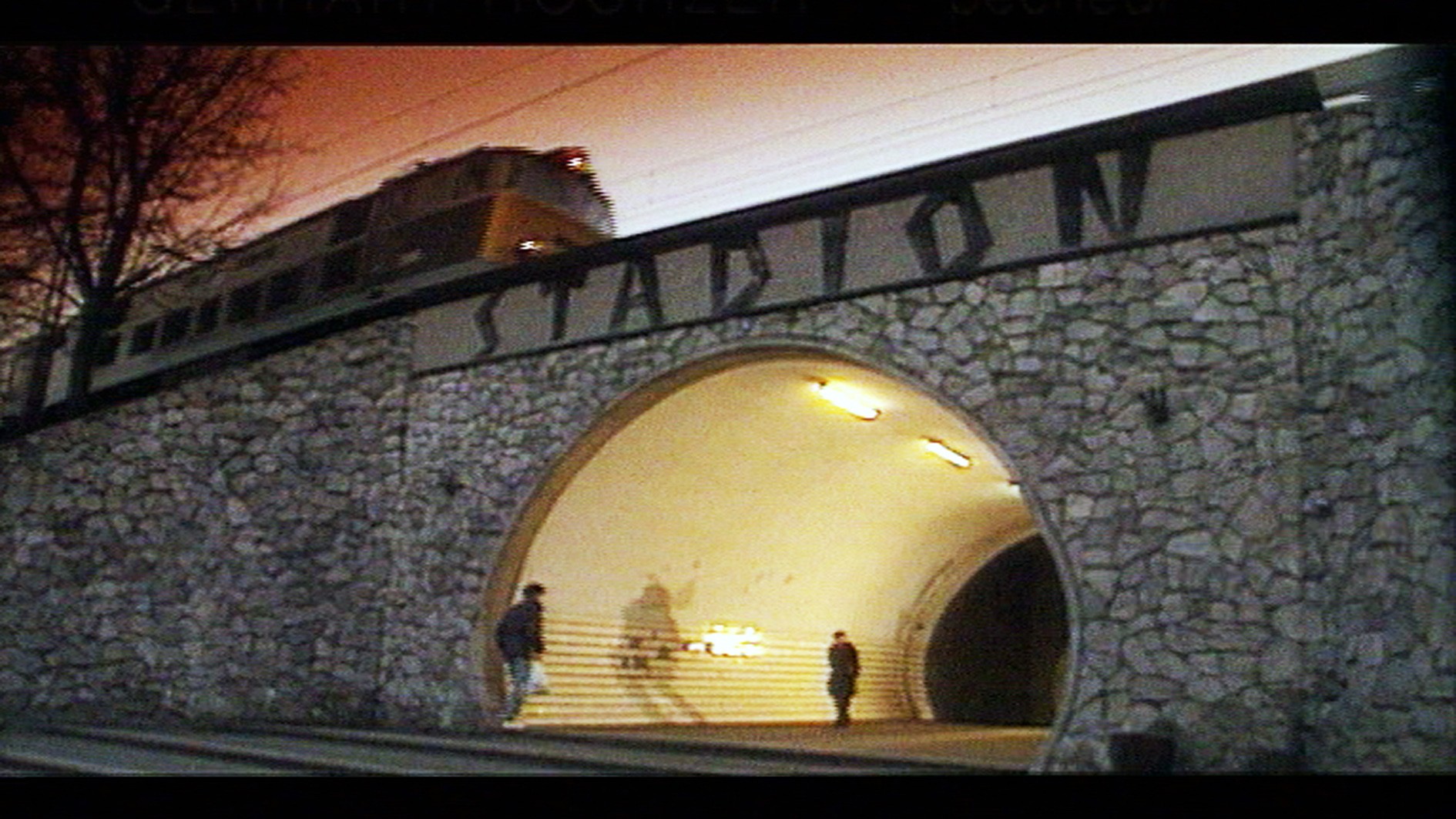
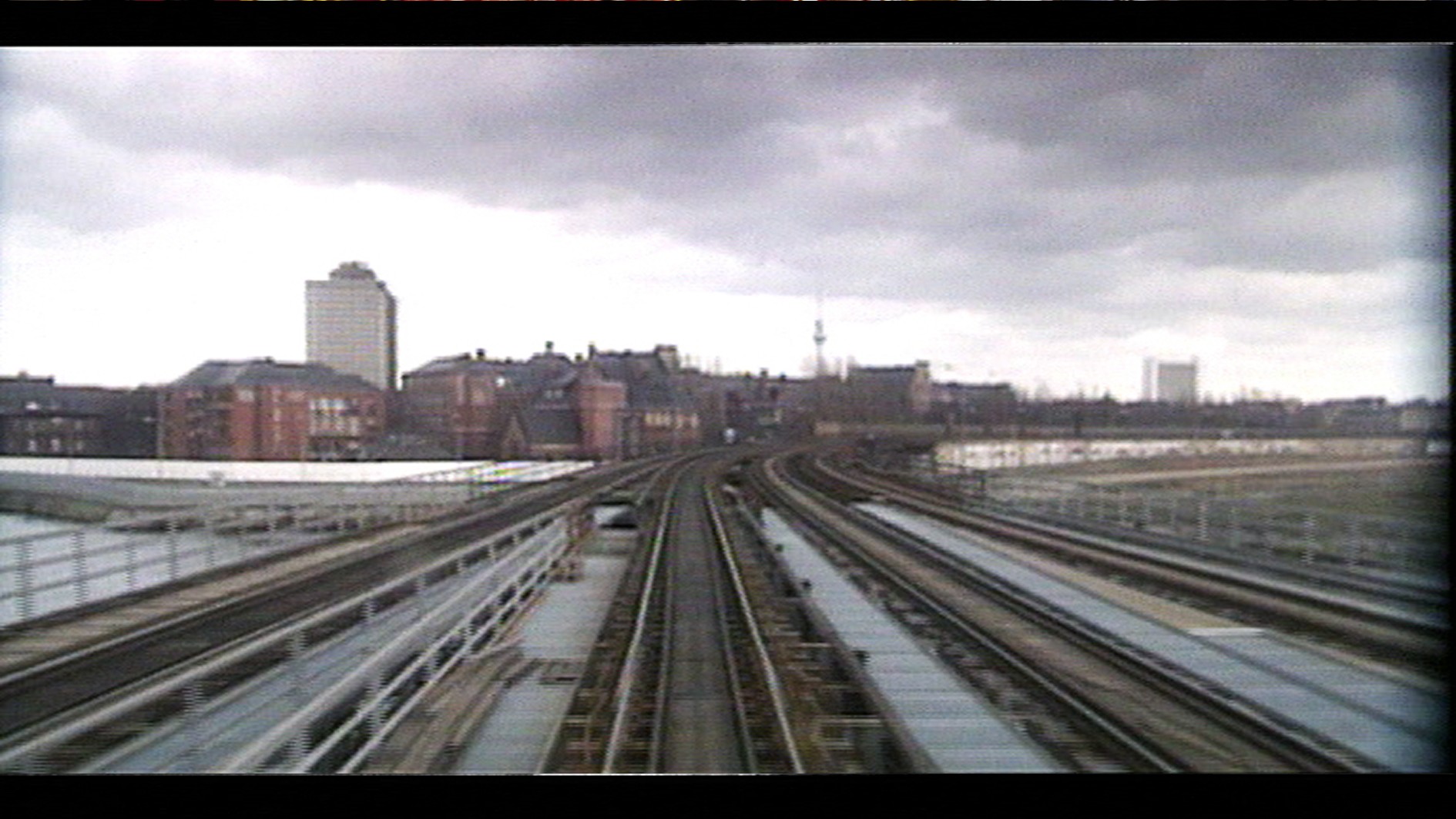
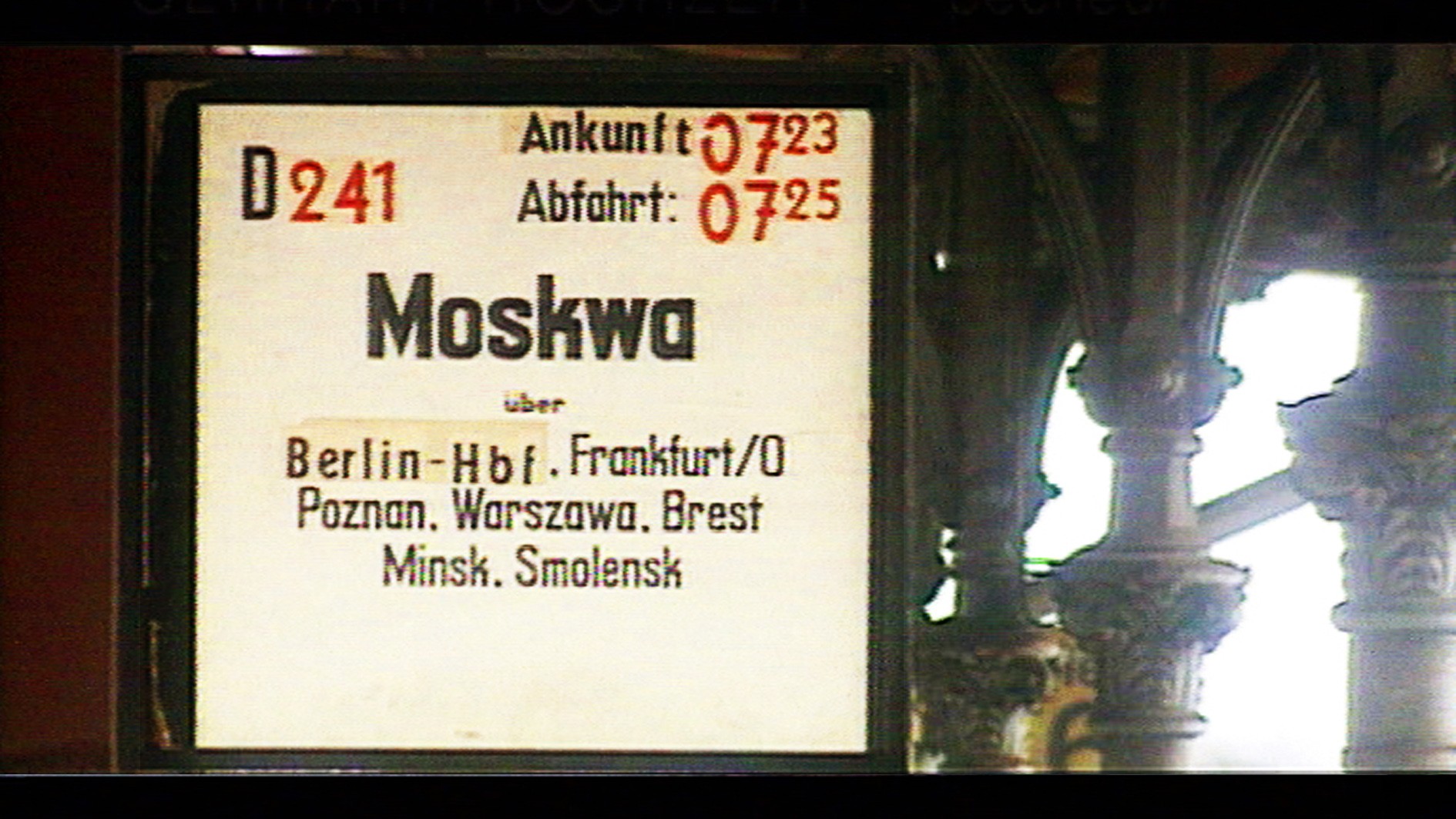
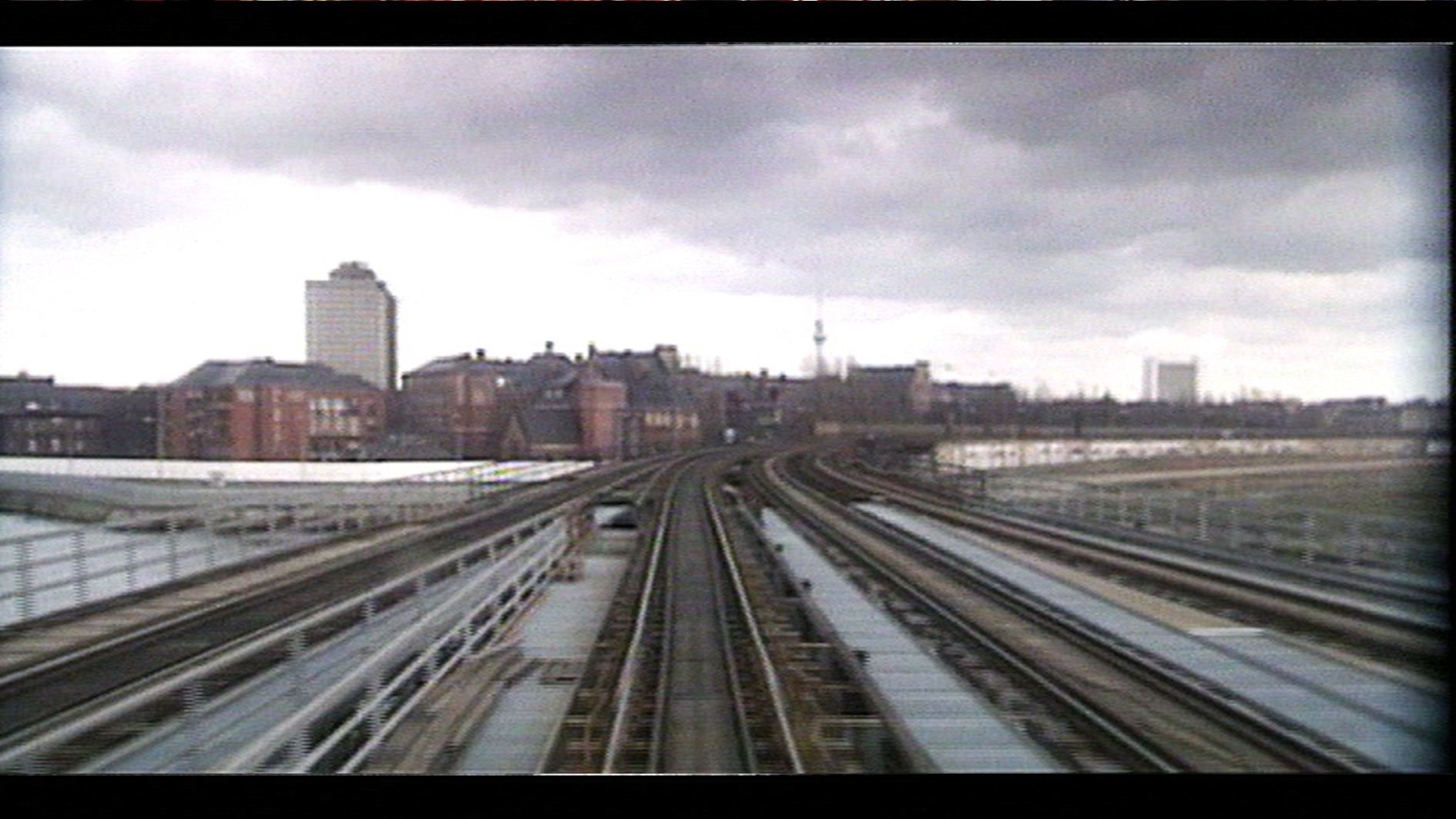
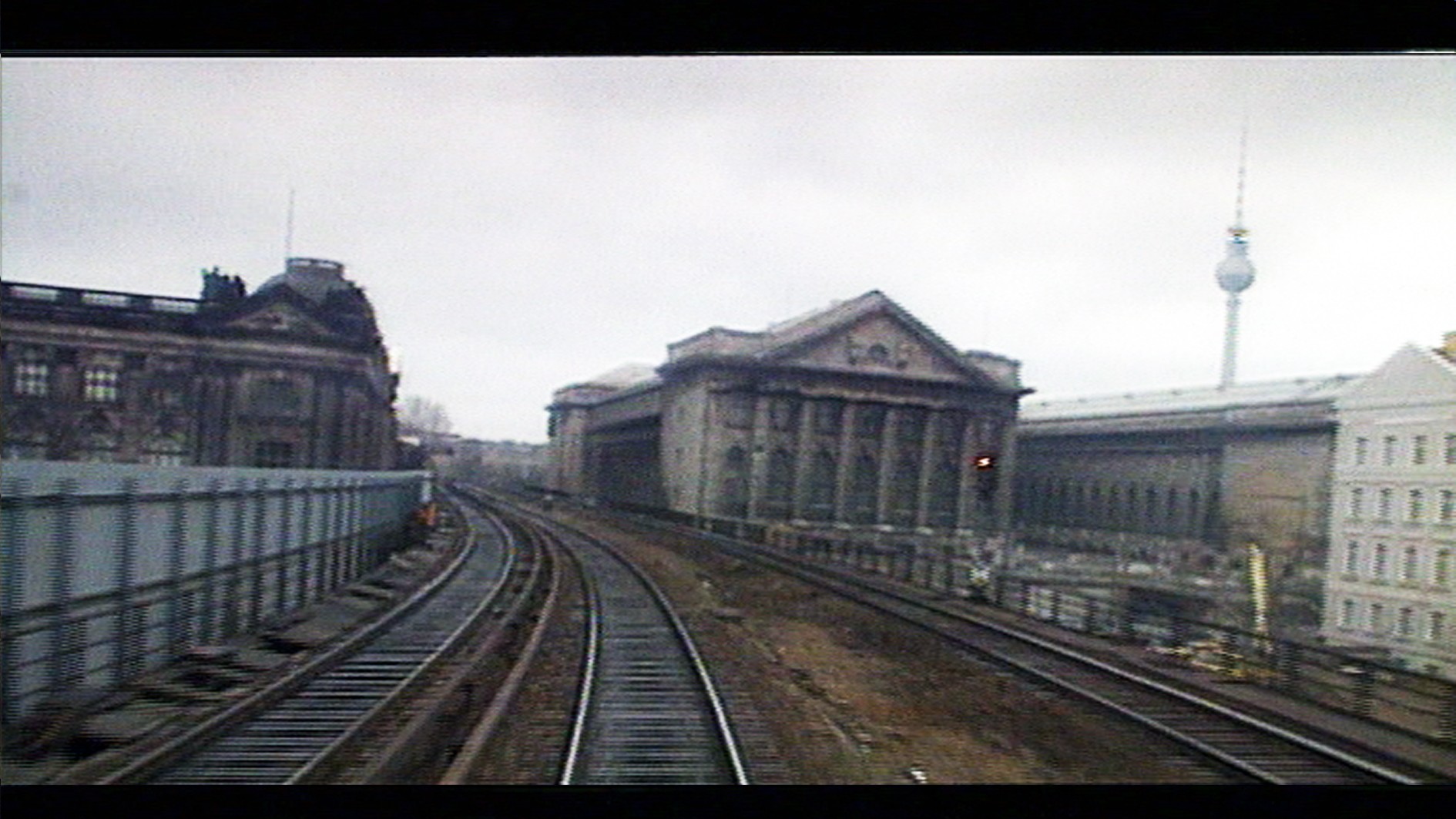
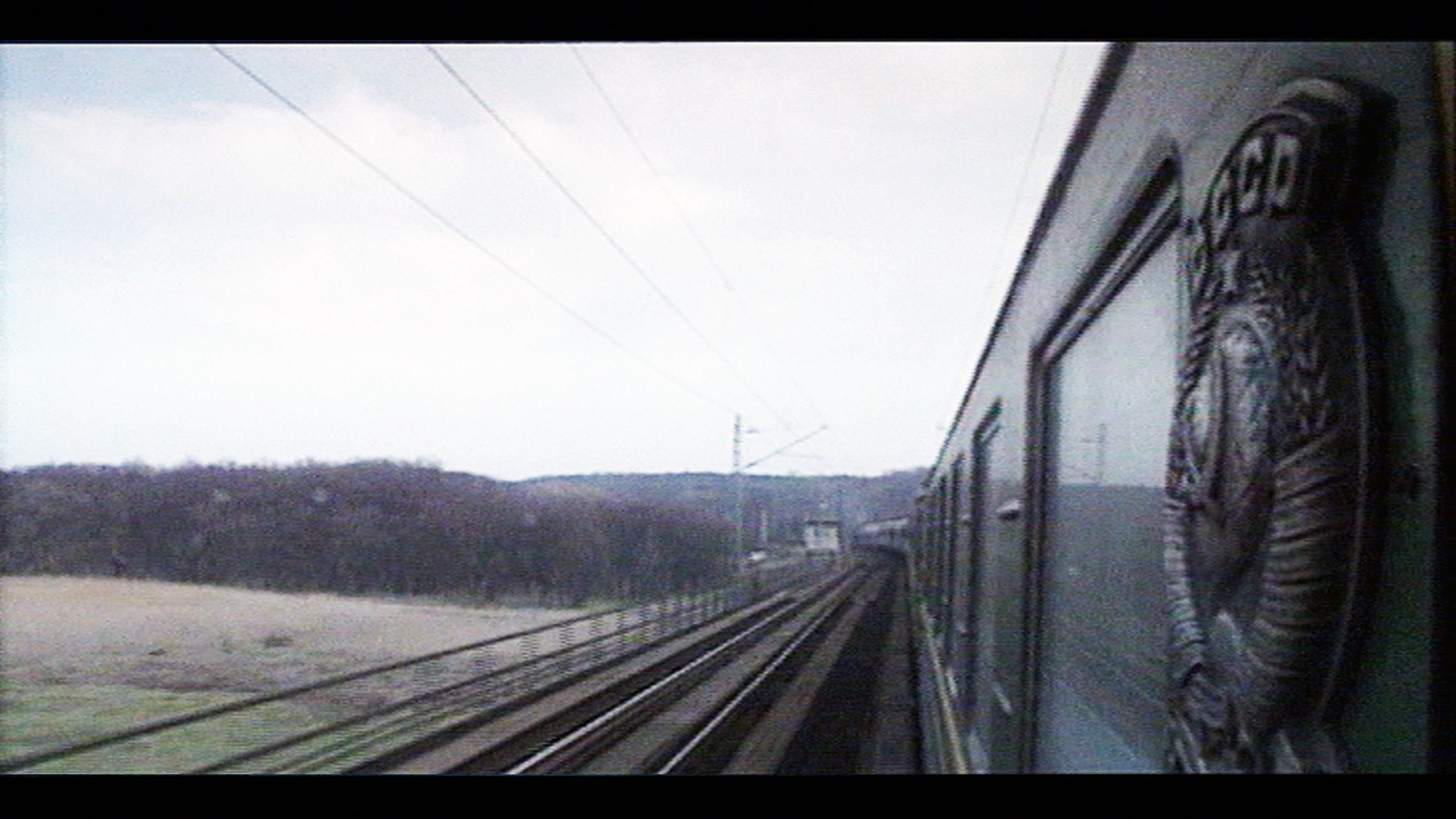
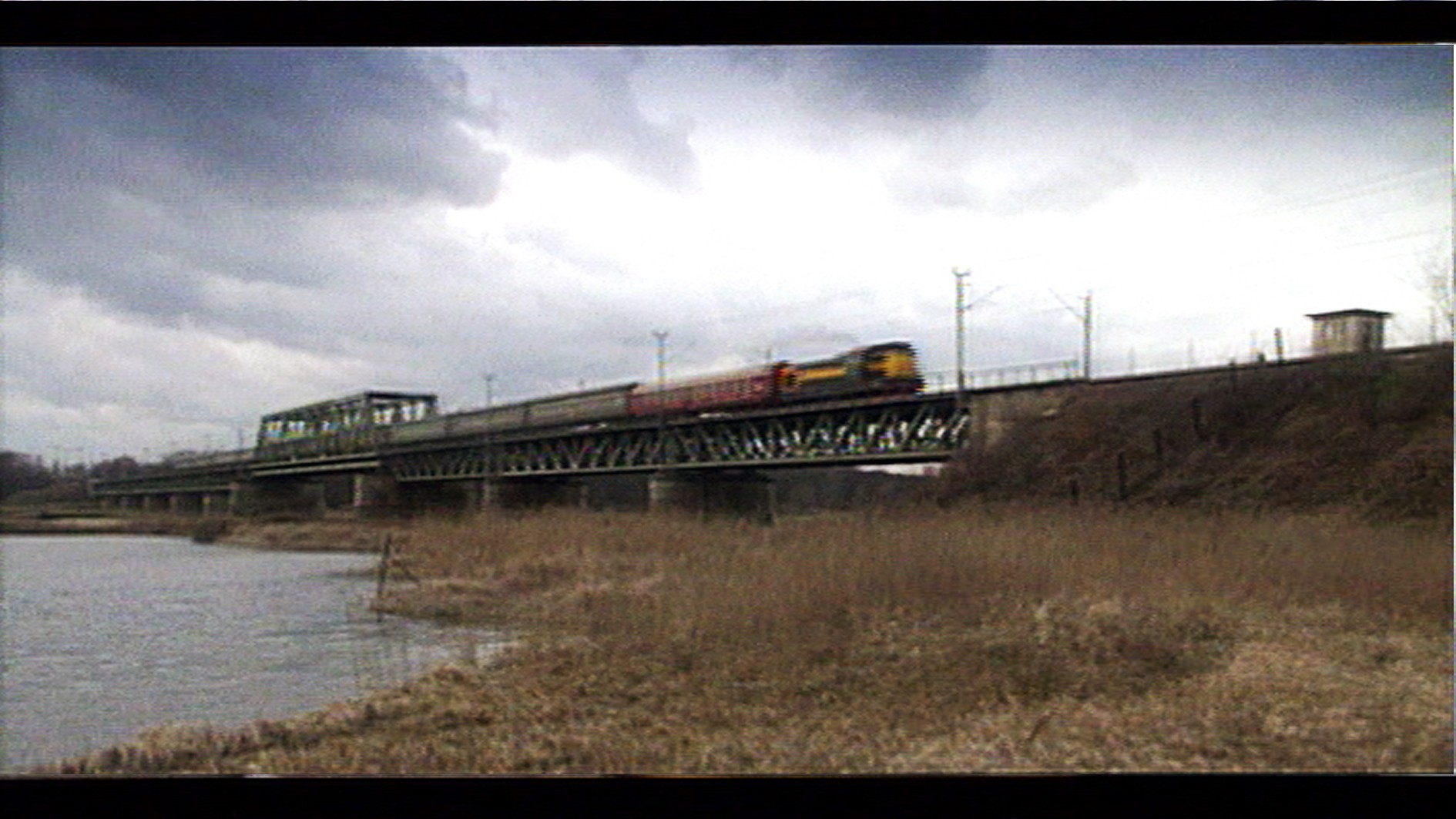
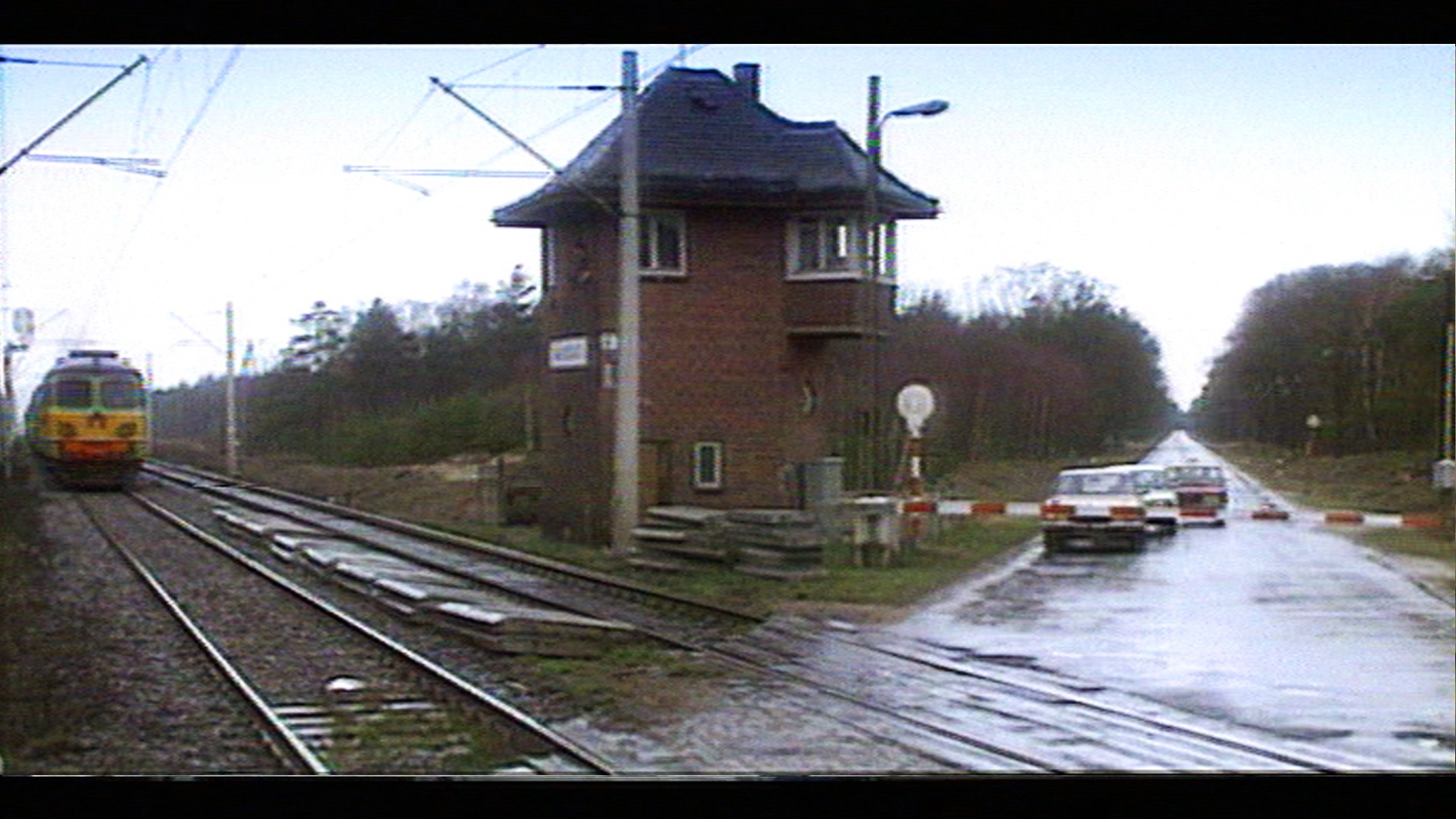
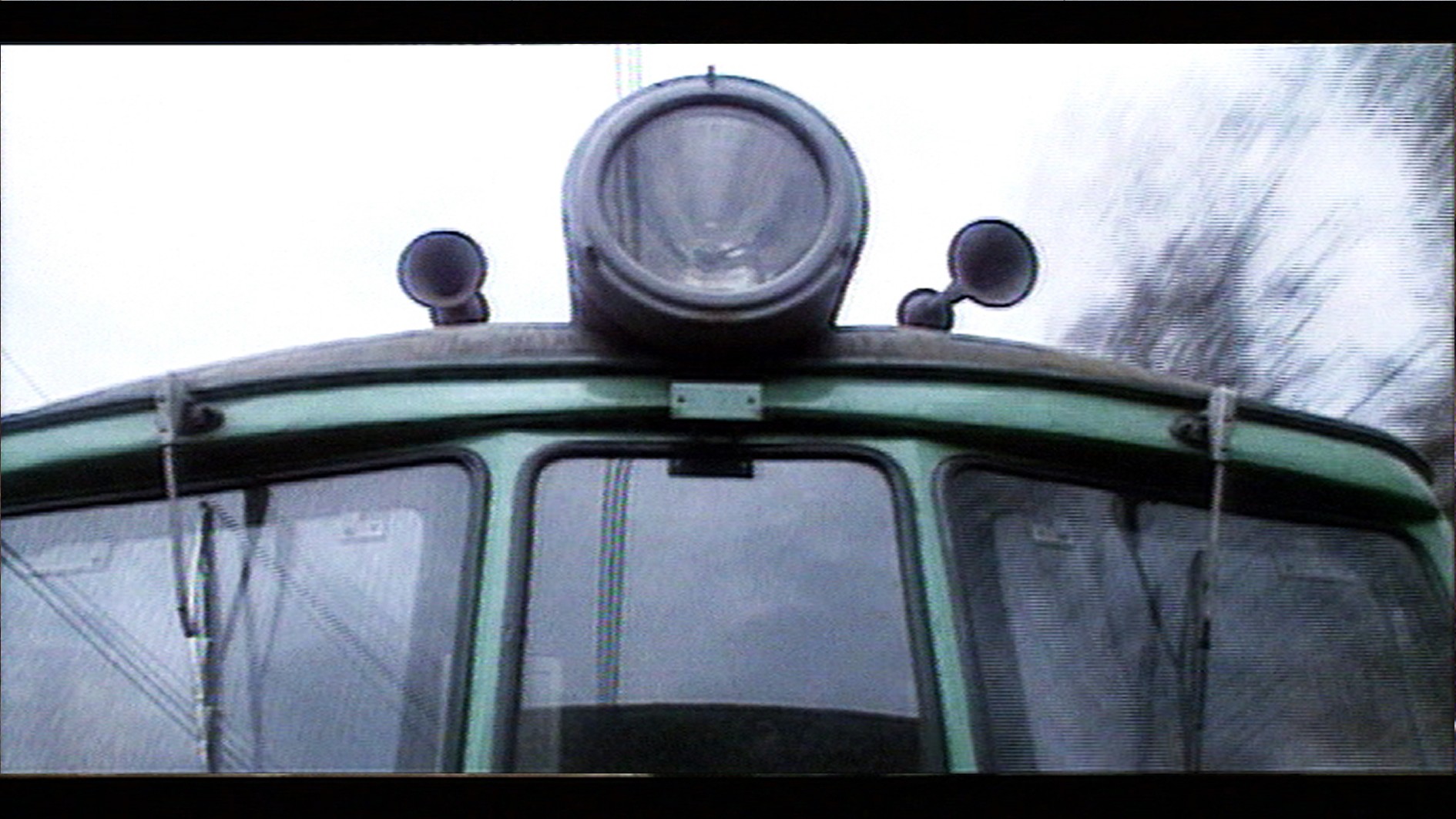
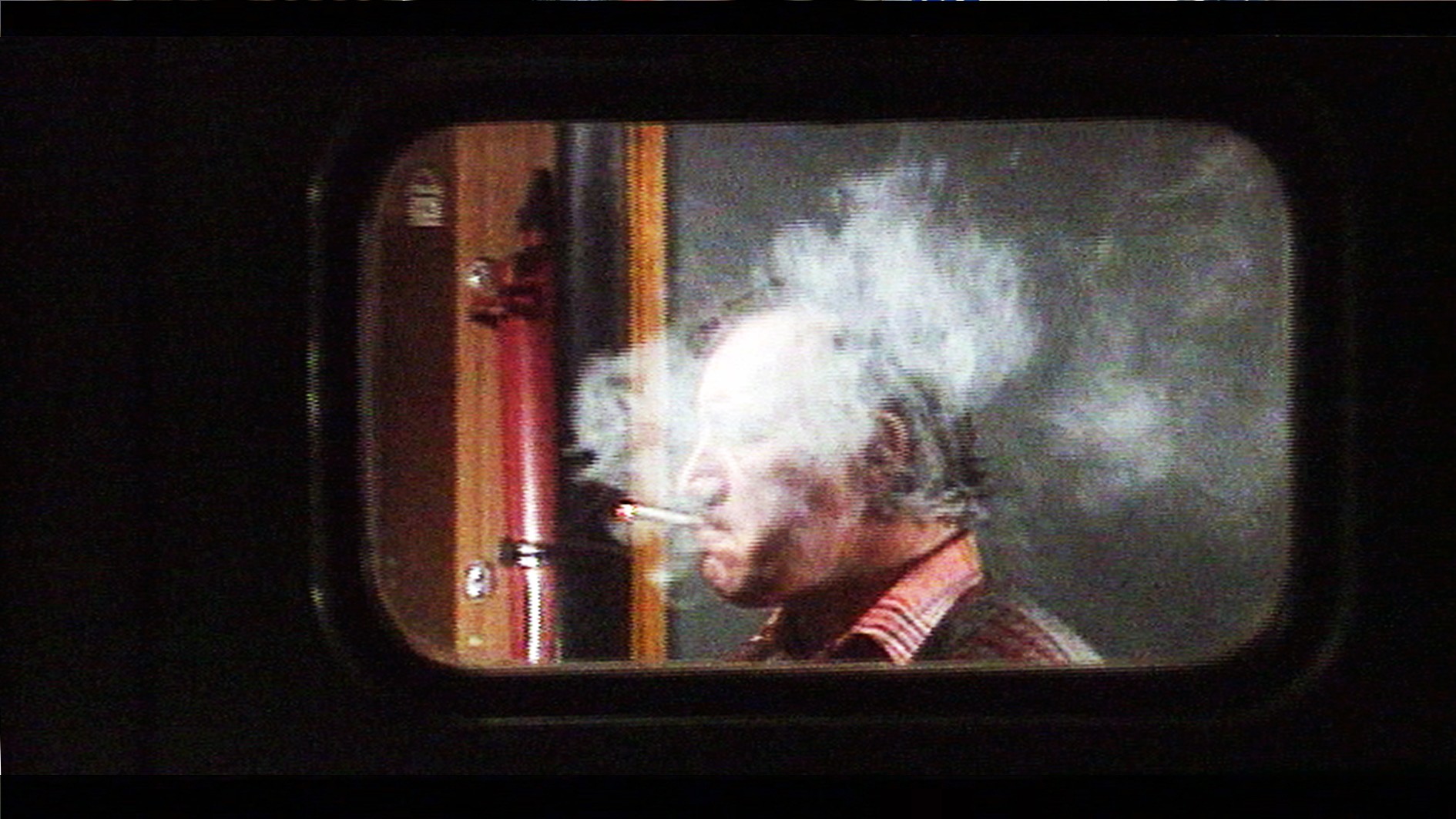
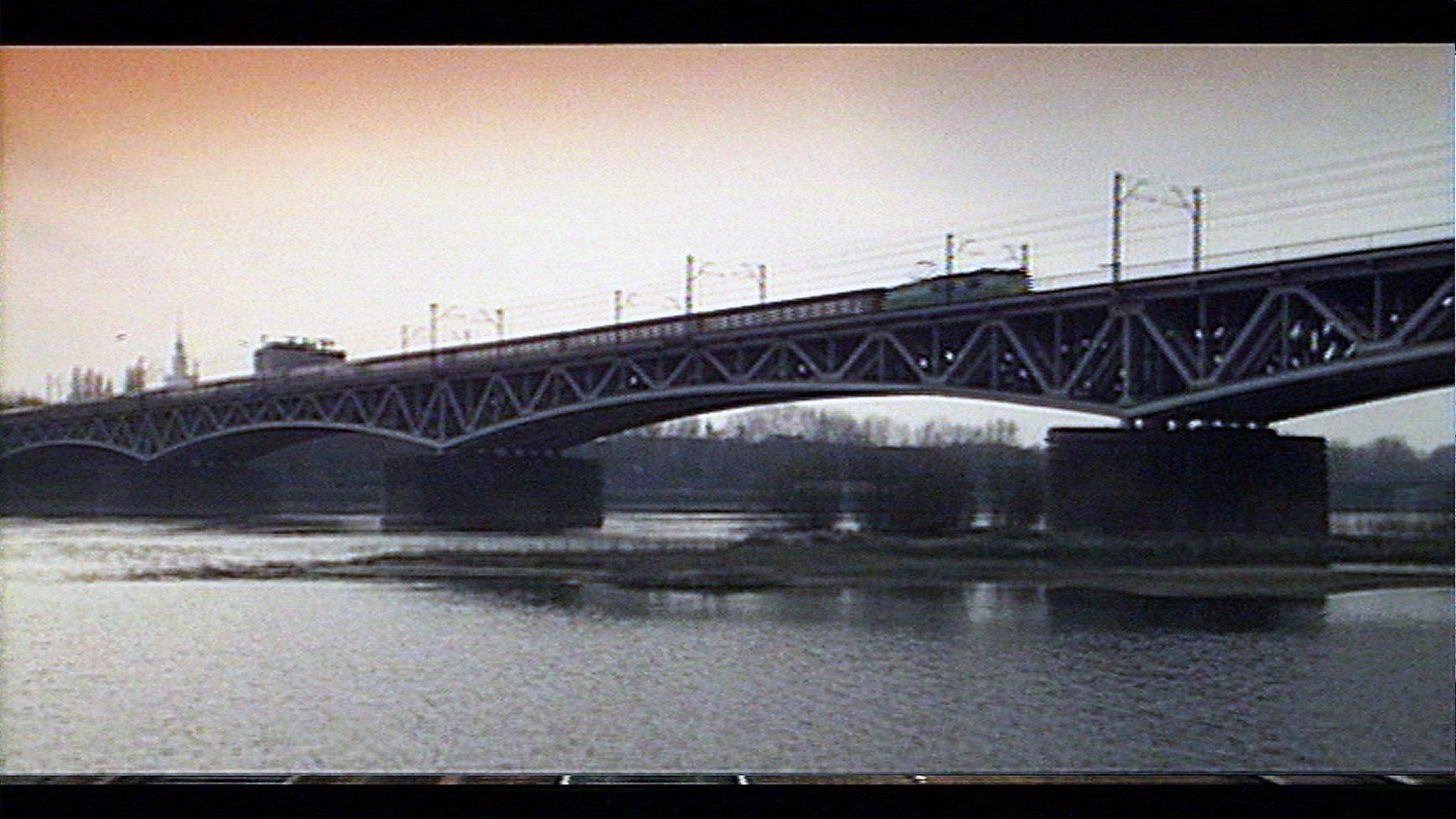
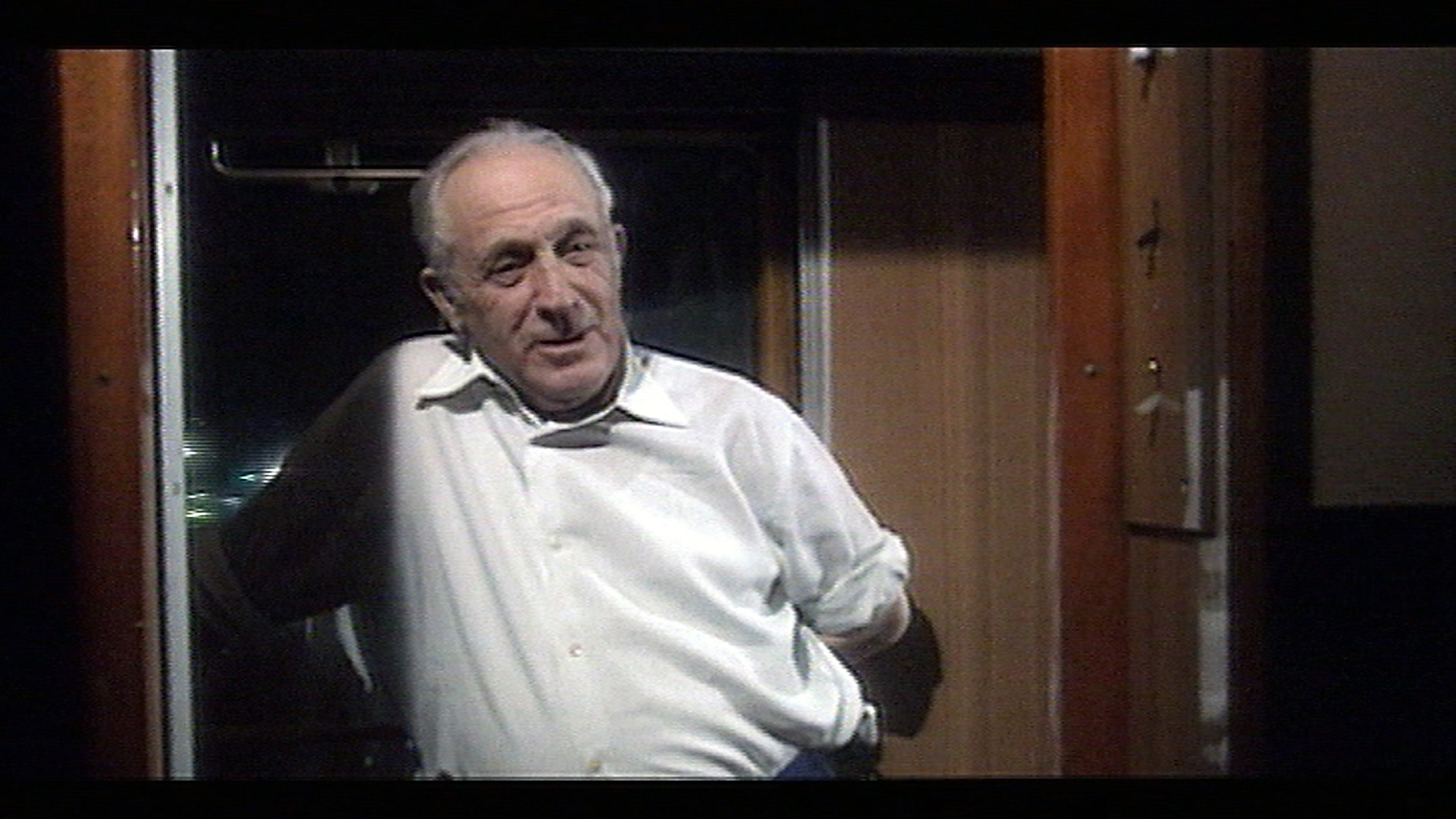
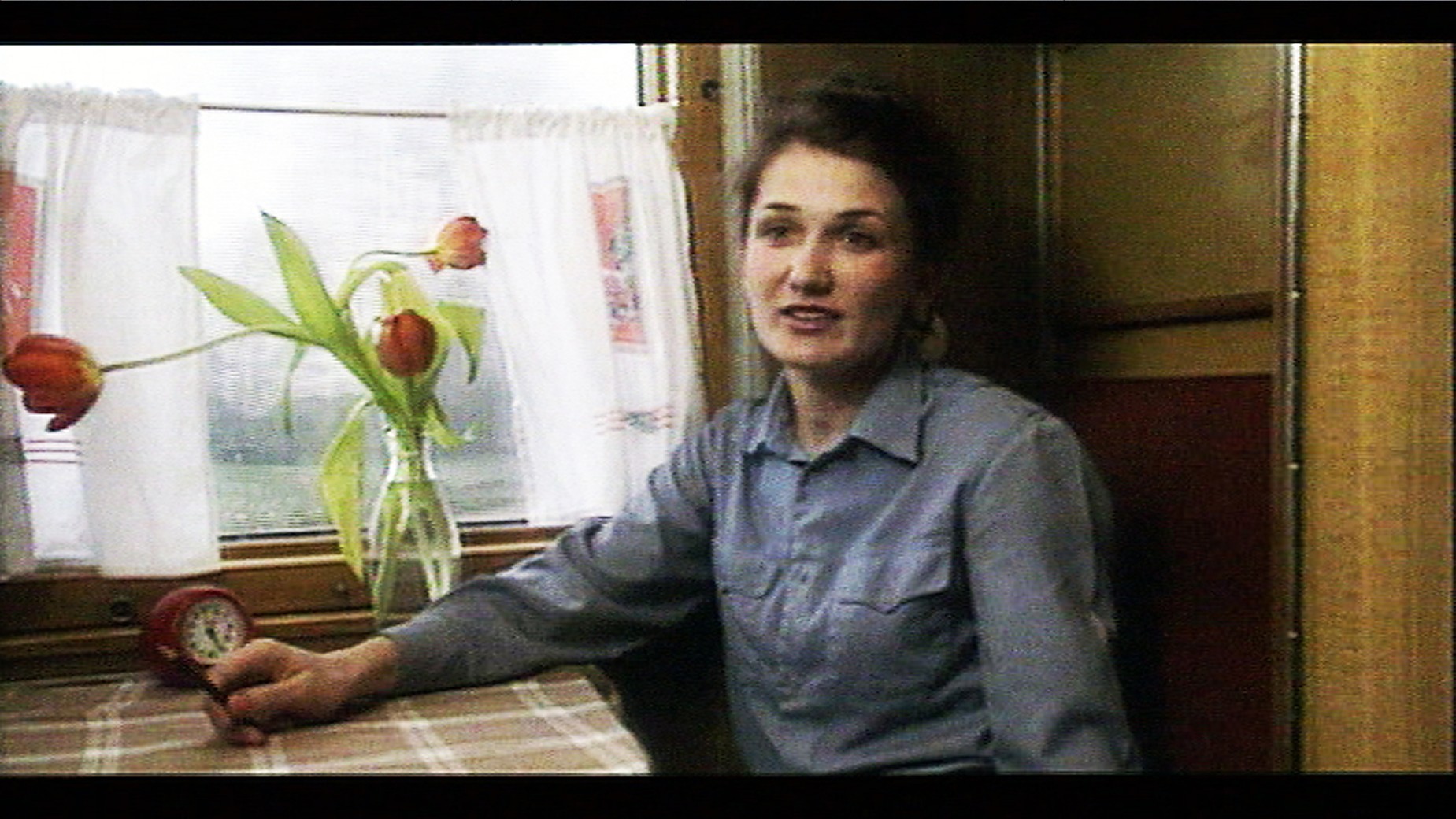
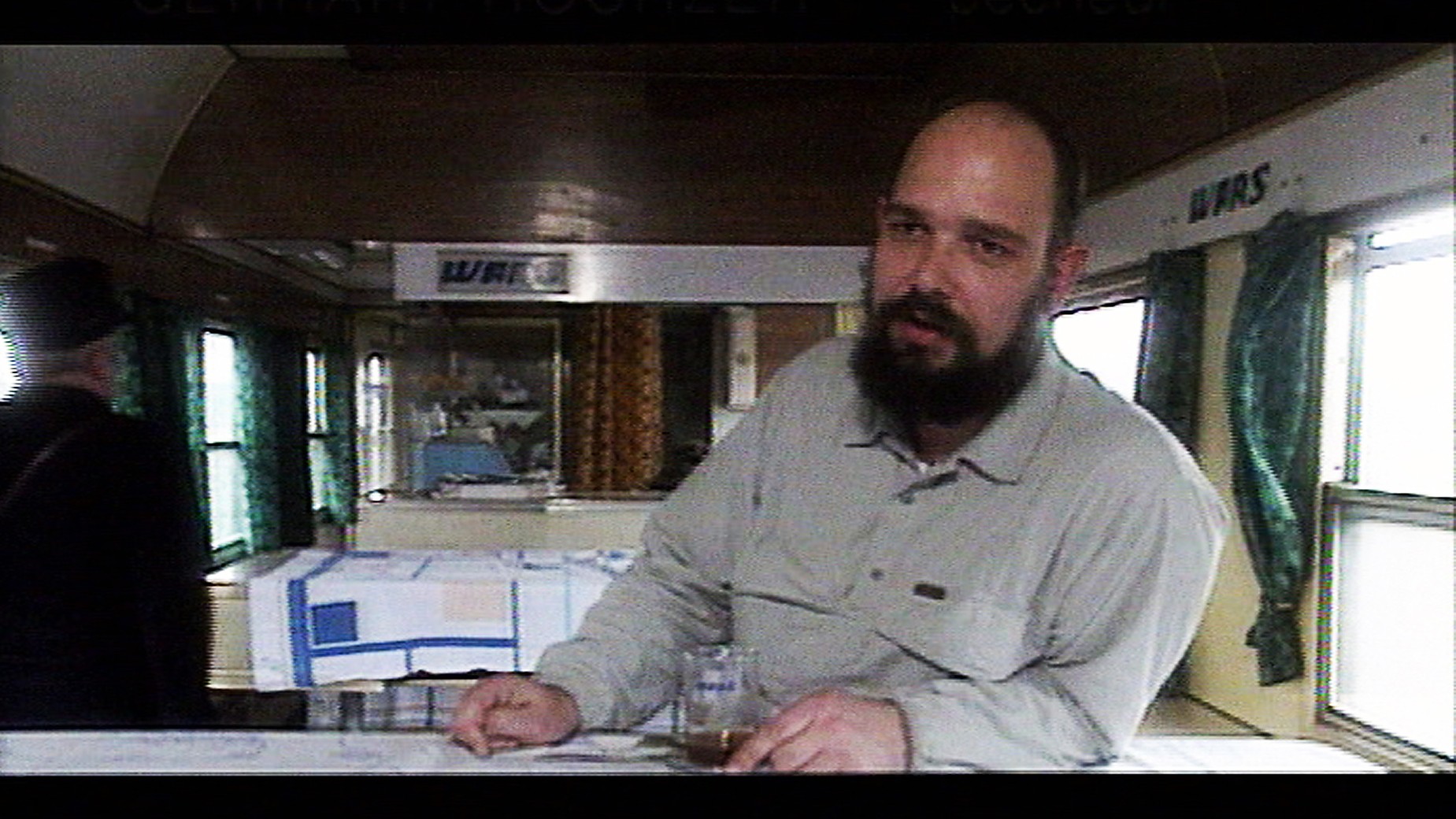
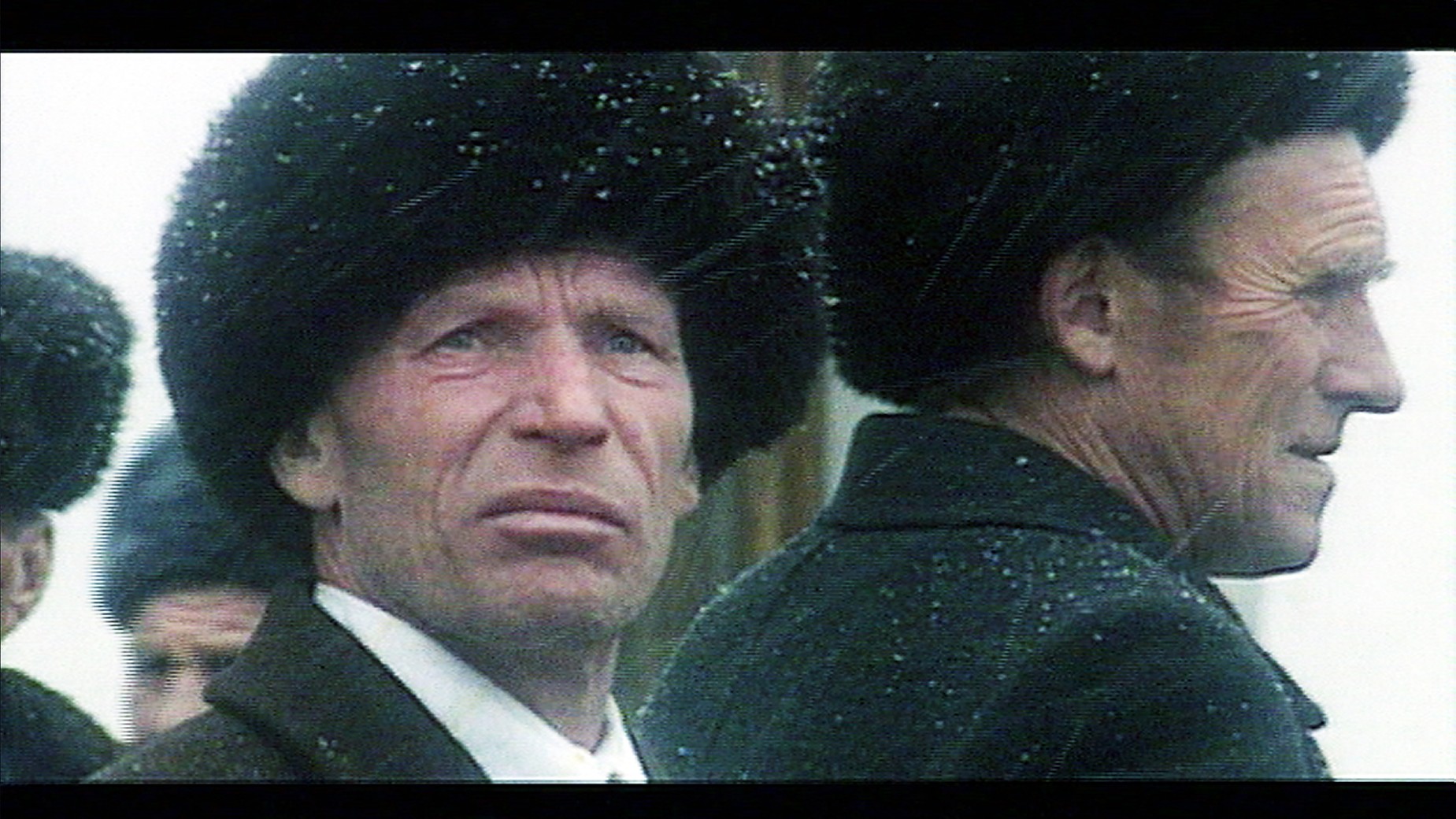
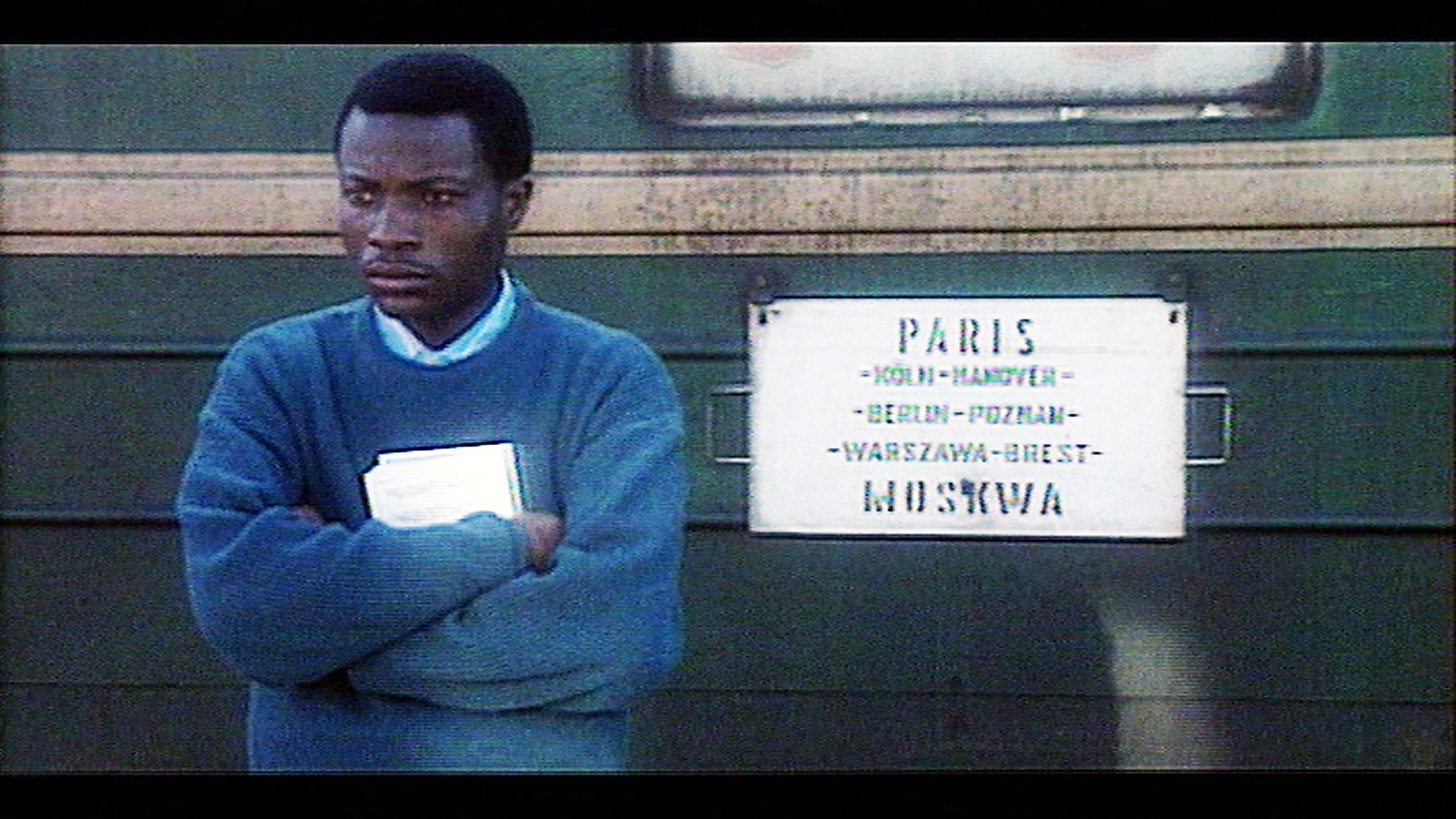
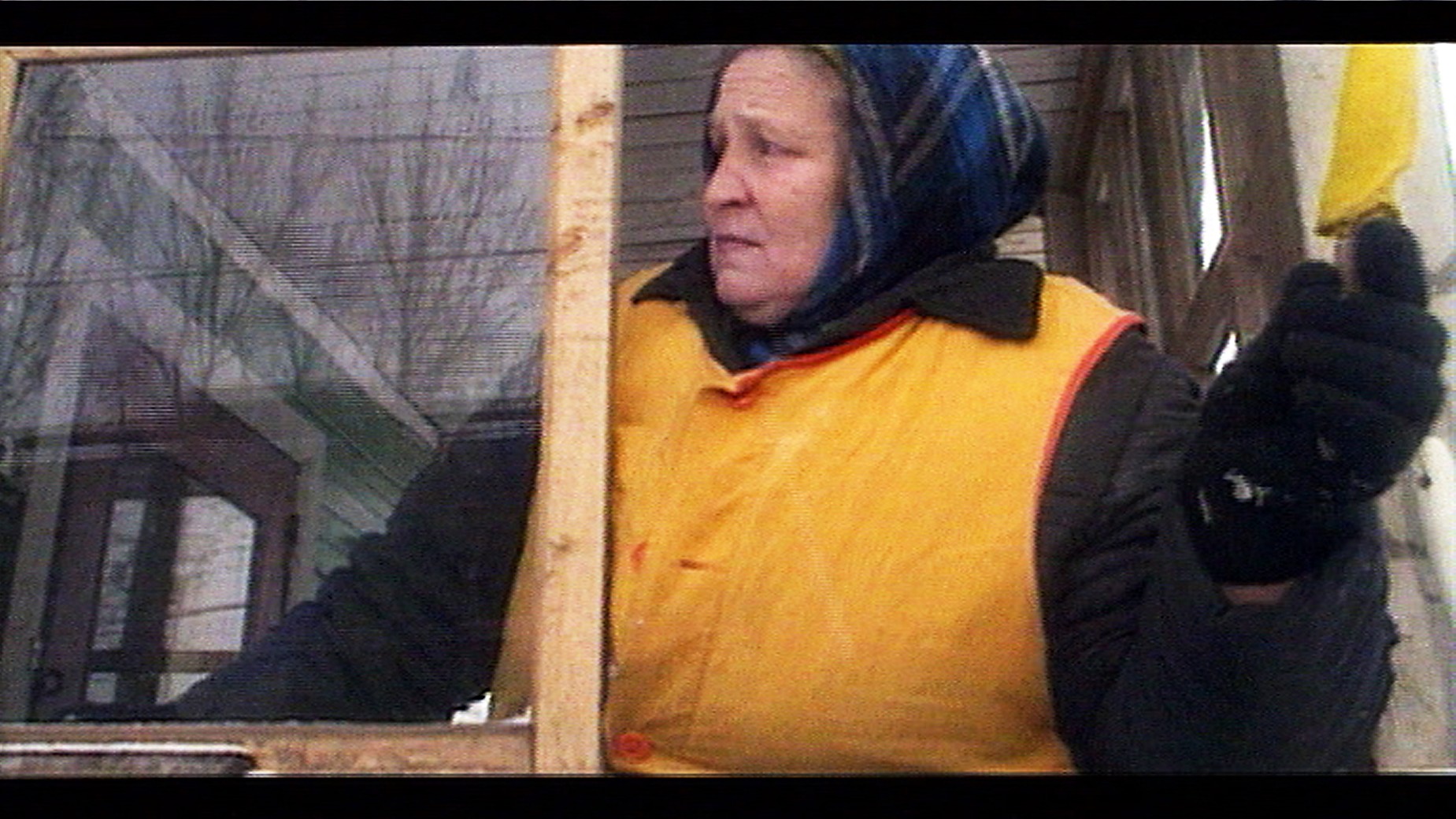
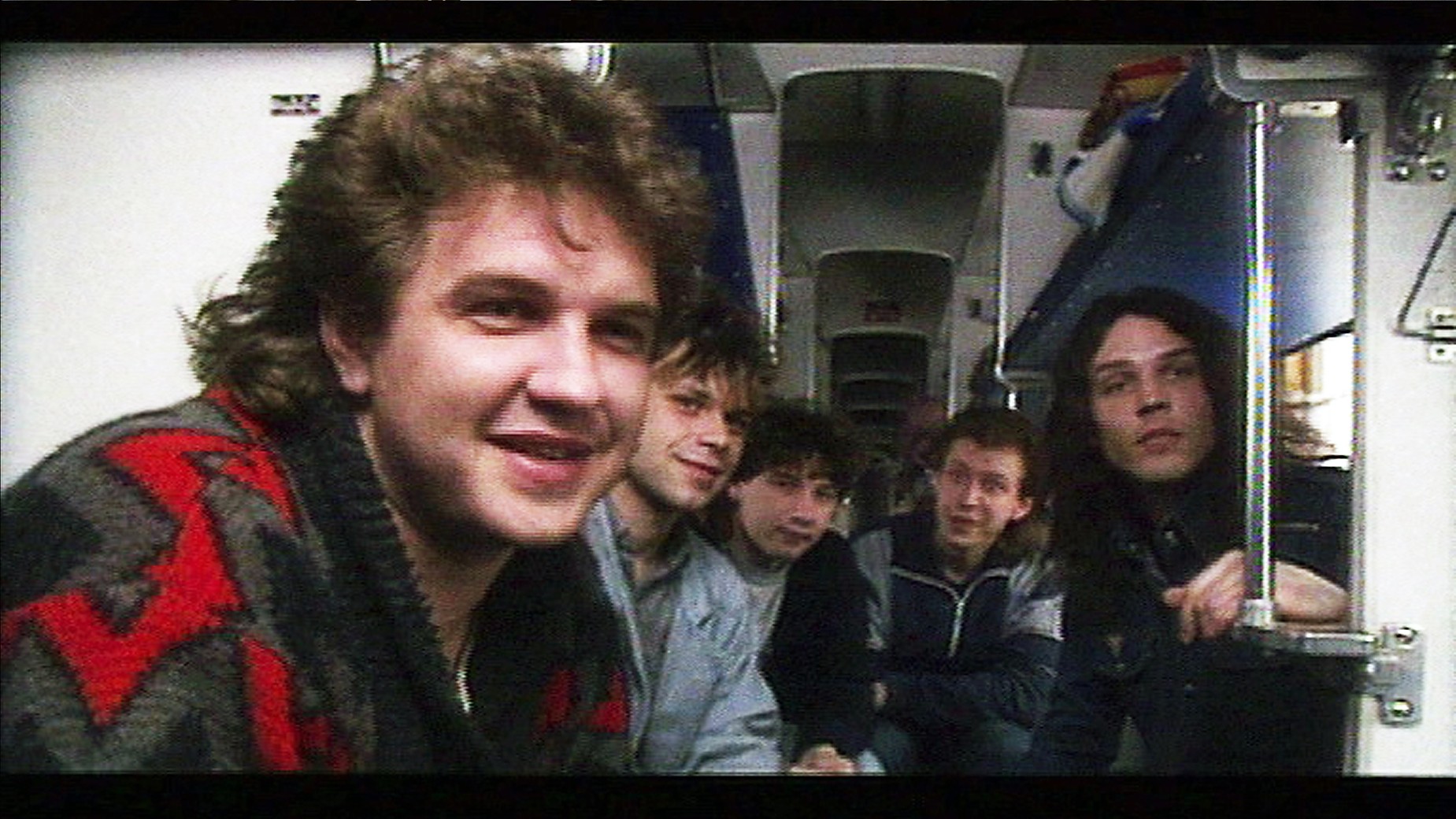
1896, Paris Nord. Nagelmackers creates the “Nord Express” between Paris and St Petersburg. In Paris, railwaymen are laying the new TGV lines; in Berlin, the wall is crumbling ; at Brest (USSR) the team is replacing the standard gauge bogies with wide gauge bogies. Galina, the Soviet sleepingcar attendant, is making tea. In the corridor, Theodore the student is looking out of the window, just above the curtain. A blast on the train’s whistle.
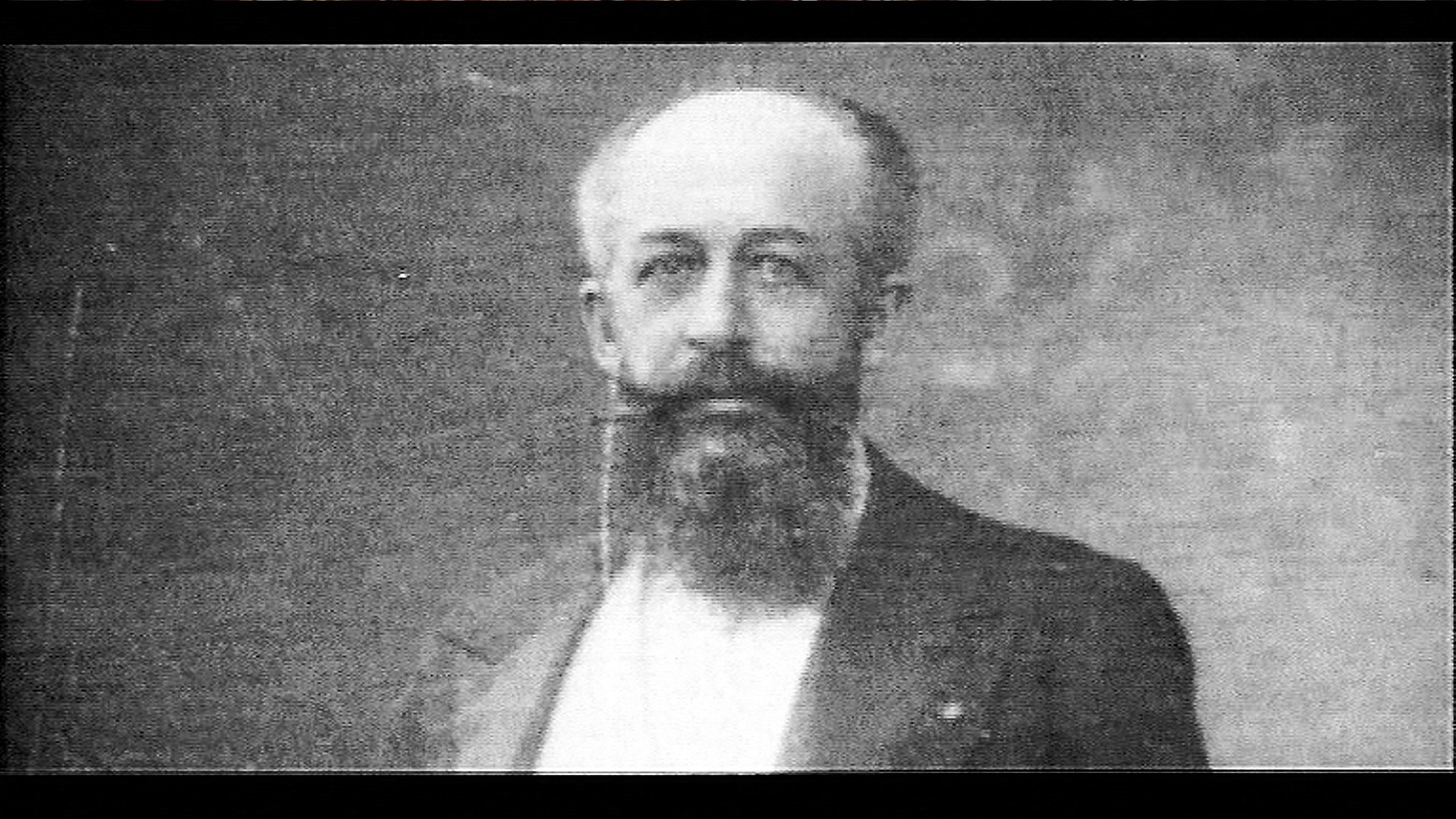
1896, Nagelmakers crée le Nord Express qui relie Paris à Saint-Petersbourg.
La traversée du continent en 48 heures est un nouveau défi à la communication entre Européens. Un défi sans cesse relevé, malgré l’explosion de deux guerres mondiales, les traits au crayon bleu sur les cartes militaires, un Mur qui divise une ville…
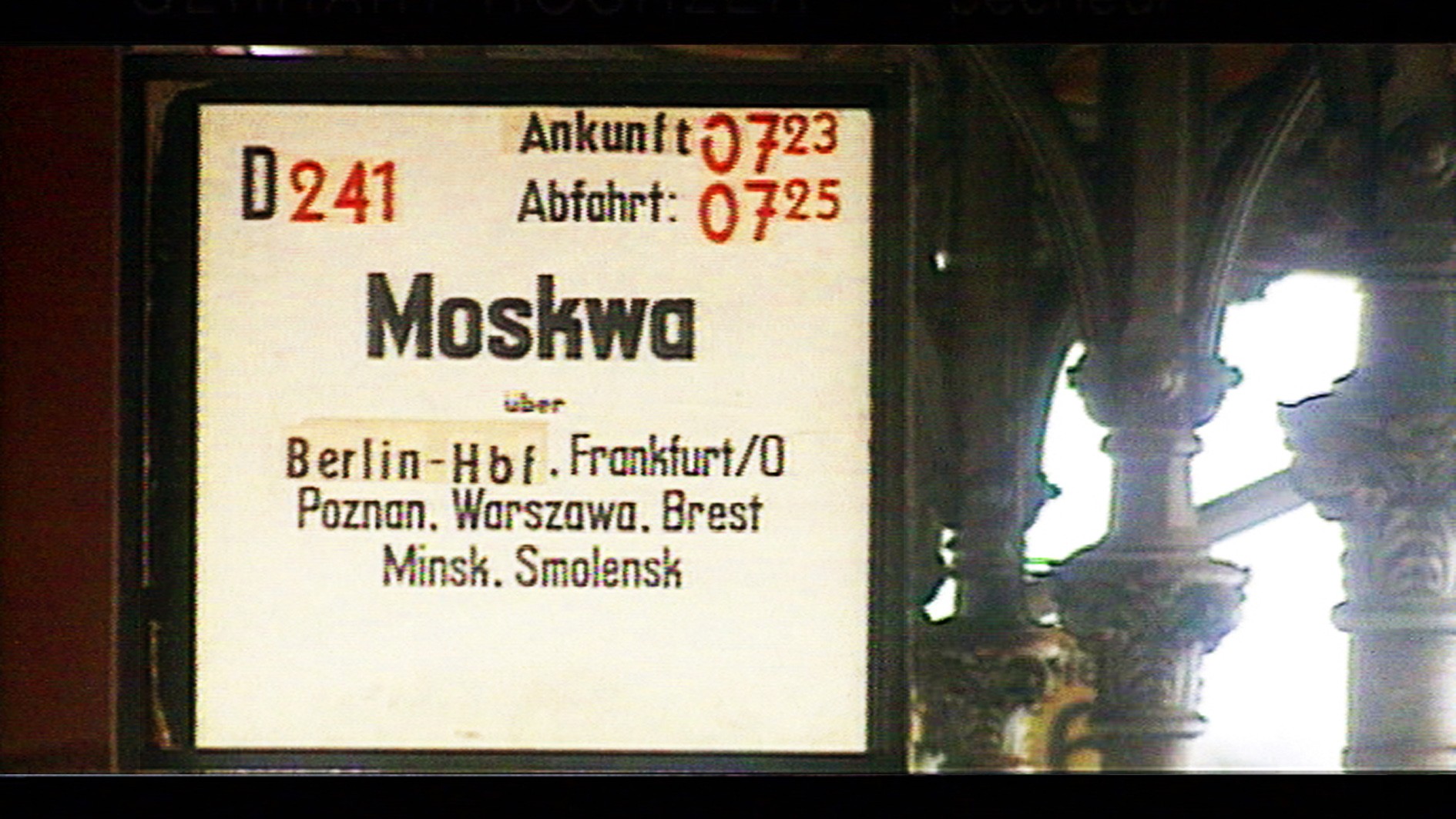
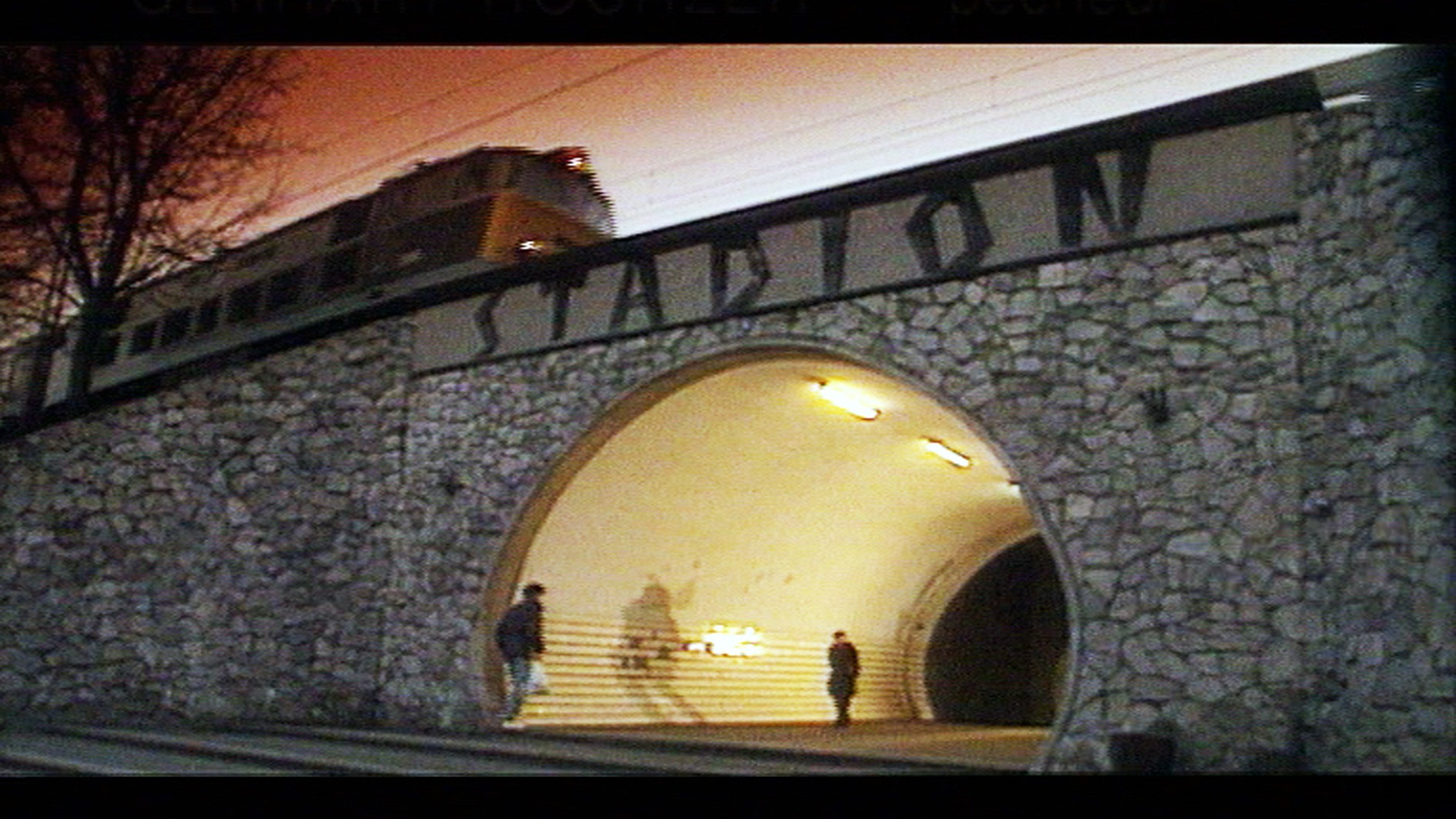
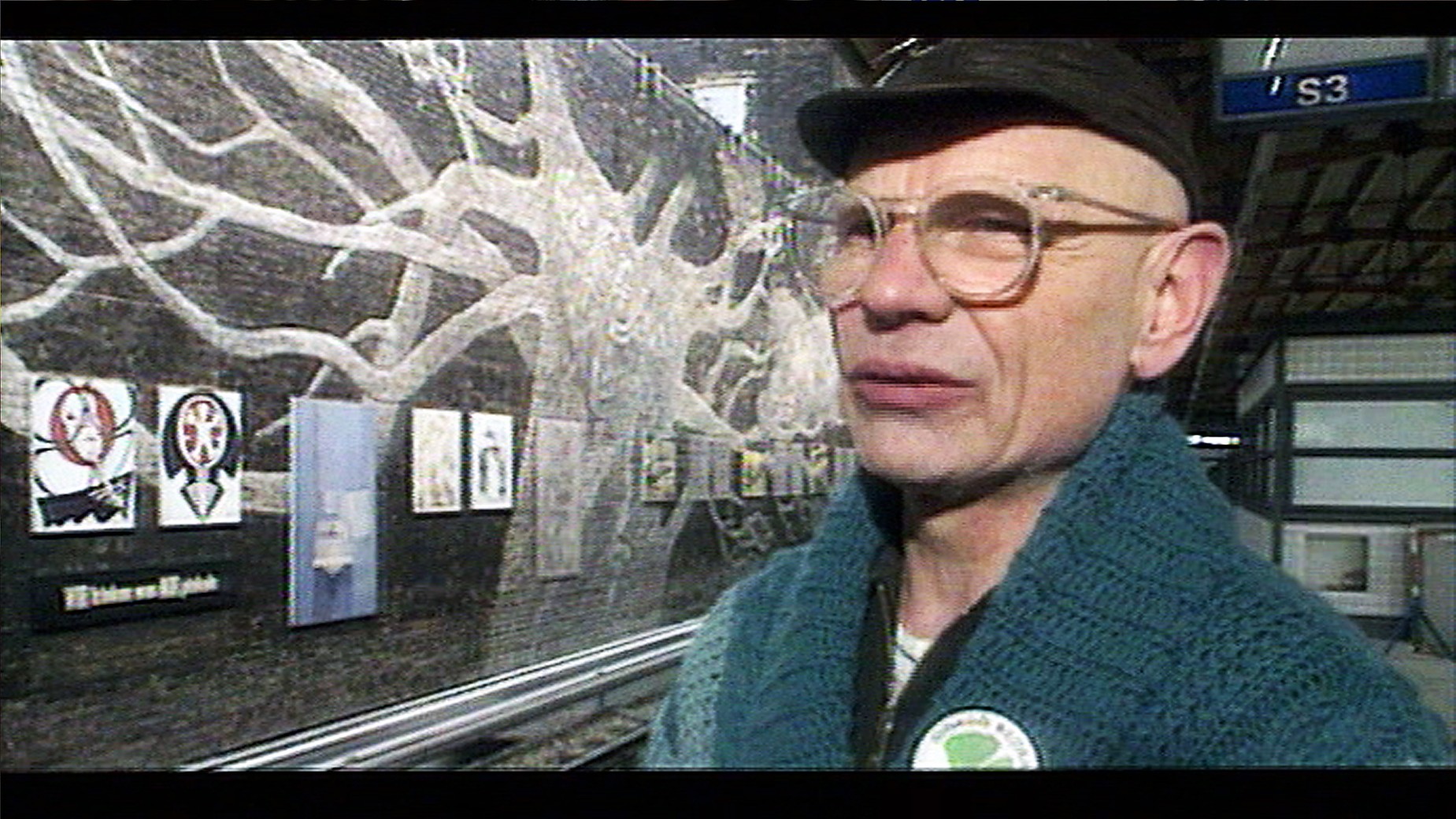
1990, « Nord Express », le film, recompose les 47 heures de voyage entre Paris et Moscou. L’époque – la nôtre – est en pleine mutation, remplie du bruit des machines. A Paris, les cheminots posent les nouvelles voies du TGV ; à Berlin, le mur s’écroule ; à Brest (URSS), l’équipe change les bogies à voie normale contre des bogies à voie large. Galina, la convoyeuse du wagon-lit soviétique, prépare le thé. Dans le couloir, Théodore, l’étudiant, regarde par la fenêtre, juste au-dessous du rideau. Coup d’avertisseur. Les voitures défilent à toute vitesse devant l’atelier du peintre Ben Wargin. « Pour moi, nous ne parviendrons pas à être plus rapides », dit Ben.
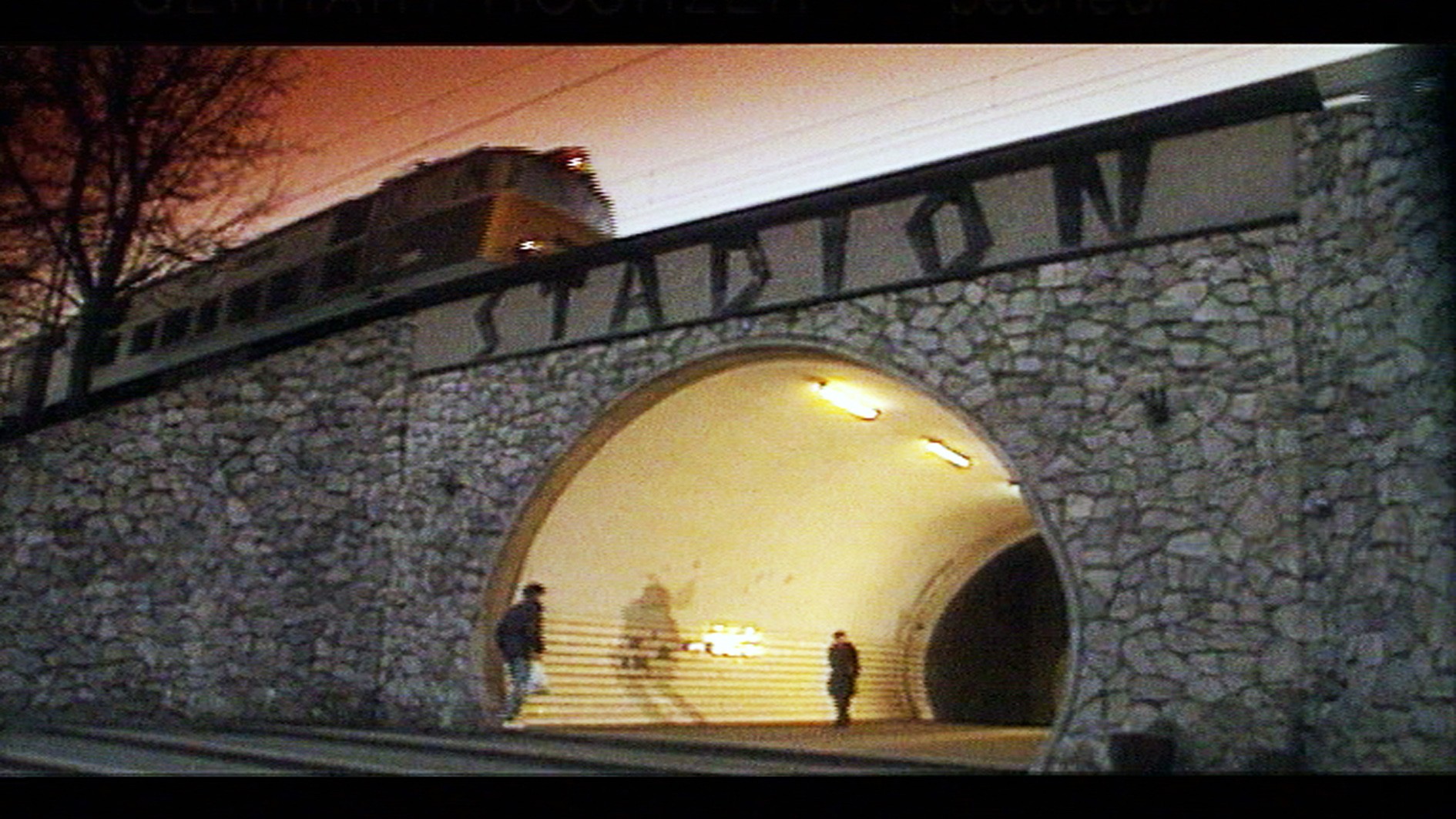
1896, Paris Norte. Nagelmackers cria o “Nord Express” entre Paris e St. Petersburgo. Em Paris, pessoaI ferroviário coloca as novas linhas do TGV ; em Berlim, o muro está a desmoronar-se; em Brest (USSR), a equipa de ferroviários esta a substituir os bogies de bitola standard por bogies de bitola larga. Galina, a assistente soviética da carruagem-cama, está a fazer chá. No corredor, o estudante Theodore está a olhar pela janela, espreitando por cima da cortina. Ouve-se o apito do comboio.
« Le fait que le Nord Express mette presque autant de temps qu’il y a un siècle est une évolution positive. Tout ce qui accélère est un désavantage. »
TEXTE CRITIQUE
NORD EXPRESS, Documentary Festival Eindhoven 2018
The film “Nord Express” recreates the 48 hours journey by train from Paris to Moscow, and the passengers on these tracks. Crossing the continent in 48 hours is a new challenge for inter-European communications. A challenge continuously met, despite two world wars, blue pencil marks on military maps, a wall dividing a city in two. The time – our own – is one of great upheaval, filled with the noise of machinery. In Paris, railwaymen are laying the new TGV lines; in Berlin, the wall is crumbling; at Brest (USSR) the team is replacing the standard gauge bogies with wide gauge bogies. Galina, the Soviet sleepingcar attendant, is making tea. In the corridor, Theodore the student is looking out of the window, just above the curtain. In front of painter Ben Wargin’s workshop, in West Berlin, the wagons rush past at top speed. In a variety of ways, the film viewer is like a traveller : his trip is one that has a start and an endpoint, where in between the route is planned by the story that is showed. Sometimes the story doesn’t seem to be going fast enough : it slightly slows down in its journey. At other times the developments follow each other at a rapid pace and the journey progresses well. There is always a degree of awareness of its final destination, but both this and the route towards the end is uncertain : the film is highly unpredictable, and its appeal largely derives from this uncertainty about the course of events. (Documentary Festival Eindhoven 2018)
NORD EXPRESS
1896, Paris Nord. Nagelmackers creates the “Nord Express” between Paris and St-Petersburg. Crossing the continent in 48 hours is a new challenge for inter-European communications. A challenge continuously met, despite two world wars, blue pencil marks on military maps, a wall dividing a city in two…
1990, the film “Nord Express” recreates the 47 hours journey from Paris to Moscow. The time — our own — is one of great upheaval, filled with the noise of machinery. In Paris, railwaymen are laying the new TGV lines ; in Berlin, the wall is crumbling; at Brest (USSR) the team is replacing the standard gauge bogies with wide gauge bogies. Galina, the Soviet sleepingcar attendant, is making tea. In the corridor, Theodore the student is looking out of the window, just above the curtain. A blast on the train’s whistle. In front of painter Ben WARGIN’s workshop, in West Berlin, the wagons rush past at top speed. “Personally, I don’t think we’ll ever manage to go any faster”, says Ben.
CRITICAL TEXT
« On retrouve dans ce film l’ambiance particulière des livres de Stendhal ou de Goethe, qui ont su exprimer les plaisirs et les richesses du voyage. Beauté des paysages nouveaux mais aussi beauté des rencontres. »
≡ Paris-Moscou, l’anti-TVG, Béatrice Bocard, Libération, 1992
≡ Nord Express : un fil qui arrive à l’heure, René Begon, La Wallonie, 1990
≡ Le train 241 Paris-Moscou, Dominique Legrand, Le Soir, 1990
≡ Les entrevus du Nord-Expess, Télémoustique, 1990
≡ La lente hâte du voyage en train, Marie-Christine Pasche, La Tribune de Genève, 1990
« Le film de Rob Rombout est une réussite. Il donne envie de partir. Non pas pour un tour du monde en quarante jour, d’un aéroport à l’autre. Mais pour un véritable voyage. »
« Pour Rob Robmout, filmer le Nord-express, c’est une porte ouverte sur le rêve : rêve de franchir les distances sans notion de temps, rêve de filmer l’histoire au présent. »
« Un somptueux documentaire sur l’histoire et le présent du Paris-Moscou. »
Director Rob Rombout | Assitant Director Adriana Moreira De Oliveira | Script Rob Rombout, and Christian Janssens | Director of photography André Leplat | Assistant Director of photography Louis-Philippe Capelle | Assistant camera Marc Ridley | Editing Adriana Moreira De Oliveira | Sound Olivier Struye, and Paul heymans | Sound mixing Paul Delvoie | Producer GSARA, DISC | Co-producers RTBF, and Wallonie Image Production (WIP)
Original title Nord Express | Original language French | Available version(s) Original French version | Original format video | Format 16/9 | Color
World Wide Video Festival, The Hague (Netherlands), 1986 | World Wide Video Festival, The Hague (Netherlands), 1986 | Worldwide Video Festival of Kijkhuis, The Hague (Netherlands), 1990 | Vidéo du réel, Saint-Gervais (France), 1990 | Videofest 91, Berlin (Germany), 1990 | Montbeliard international video and television event (France), 1990
« Pendant quarante ans, le Nord Express a rappelé aux Européens qu’ils vivaient sur le même continent. »
Pilote de Nord Express
réalisé par Rob Rombout, 16’, 1989, français
« À voir le film de Rob Rombout, on se met à regretter l’époque où voyager signifiait prendre le temps de la découverte. L’avion est certes bien pratique mais ne remplacera jamais le glissement progressif vers l’inconnu, plaisir délicieux procuré par le train. »